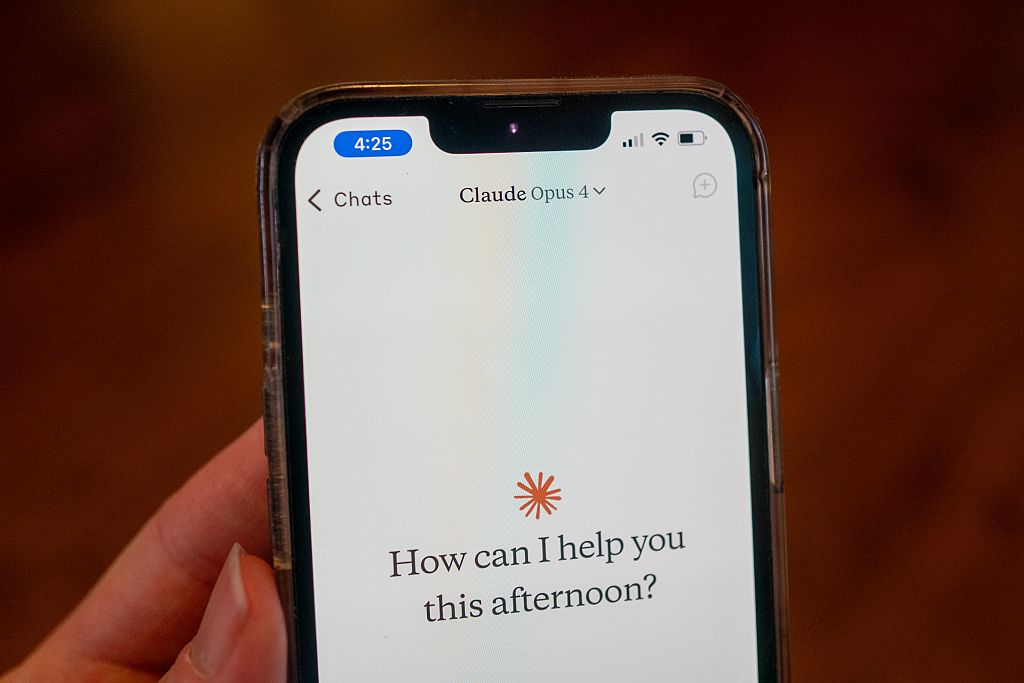
Anthropic's paid subscriber base more than doubled in the first half of 2026, with Claude ascending to the top of Apple's US App Store download charts during a high-profile dispute with government agencies over ethical boundaries in artificial intelligence deployment.

The surge in subscribers followed a week-long conflict during which federal agencies moved to restrict Anthropic's operations after the company refused to permit its AI models to be used for mass domestic surveillance or fully autonomous weapons systems. Users rallied behind Anthropic, with many explicitly choosing Claude over competing products in the aftermath of the controversy.
The controversy demonstrated how ethical positioning can translate into unexpected commercial benefits. Rather than damaging Anthropic's reputation as some observers anticipated, the company's refusal to compromise on safety principles appears to have strengthened its appeal among privacy-conscious users.
Government Dispute Background
The confrontation began when Anthropic attempted to negotiate safeguards preventing the Department of Defense from deploying its AI models for mass domestic surveillance or fully autonomous weapons. When those negotiations failed, the Trump administration directed federal agencies to cease using all Anthropic products and designated the company a supply-chain threat.

OpenAI subsequently announced its own agreement with the Pentagon, with CEO Sam Altman claiming the deal included safeguards related to domestic surveillance and autonomous weapons. The parallel announcements set up a direct contrast between the two AI companies' approaches to government partnerships.
President Trump publicly stated that he had fired Anthropic "like dogs," and the Pentagon formally blacklisted the company's products from government use. The rhetoric marked an unusually direct confrontation between a technology startup and federal authorities.
Subscriber Growth Dynamics
The subscriber growth data reflects a broader shift in consumer attitudes toward AI privacy and safety. Users who had previously been neutral between Claude and competing products appear to have used the dispute as a decision point, with many publicly committing to the Anthropic platform based on its ethical stance.
The doubling of paid subscribers within a six-month period represents extraordinary growth for a premium AI assistant service that competes in a crowded market. Anthropic had previously reported steady but unspectacular subscriber acquisition since launching its consumer product.
Analysts noted that the growth occurred despite Anthropic's pricing remaining unchanged and no major product updates being released during the dispute period. The correlation between ethical positioning and subscriber growth suggests a segment of users makes purchasing decisions based on corporate values rather than features alone.
App Store Performance
Claude reached the number one position on Apple's US App Store free download rankings on Saturday, February 28th, overtaking OpenAI's ChatGPT which had dominated the charts for months. The achievement marked the first time a paid AI assistant had topped the download charts during a major controversy rather than through conventional marketing.
The download surge occurred despite Claude requiring a paid subscription for full access, while ChatGPT offers a free tier. This suggests users were motivated to pay for premium AI assistance from a company whose ethical stance they wished to support.
Meanwhile, ChatGPT experienced a 295% surge in uninstalls on the same day the OpenAI-Pentagon deal was announced, according to data from Sensor Tower. One-star reviews for ChatGPT increased 775% on Saturday alone, then grew an additional 100% the following day as users expressed displeasure with OpenAI's government partnership.
Consumer AI Market Shifts
The Anthropic-OpenAI divergence highlights a potential fracture in the consumer AI market along ethical and privacy lines. Users appear increasingly willing to distinguish between AI providers based on corporate values rather than treating AI assistants as interchangeable products.
This分化 may force AI companies to take clearer stances on controversial applications rather than pursuing all possible customers regardless of use case. Companies that attempt to serve both privacy-focused consumers and government surveillance programs may find their customer bases eroding on both sides.
The growth also demonstrates the commercial viability of an ethical positioning strategy in AI. Anthropic's willingness to sacrifice government contracts in favor of its stated principles appears to have resonated with a significant segment of the consumer market.
Competitive Landscape
Anthropic competes directly with OpenAI, Google, Meta, and other major technology companies in the consumer AI assistant market. The dispute over government partnerships has sharpened the competitive distinction between these players.
OpenAI's Pentagon deal gave the company access to classified military networks and positioned it as the preferred AI partner for government applications. The agreement drew criticism from privacy advocates who argued that military AI applications inevitably extend to surveillance and autonomous weapons.
Anthropic's refusal to pursue similar arrangements left it without a government revenue stream but appears to have strengthened its position with privacy-conscious consumers. The company had previously raised concerns about AI safety and published research on the risks of advanced AI systems.
The competitive dynamic may encourage other AI companies to articulate clear ethical principles and enforce boundaries on acceptable applications. Companies perceived as lacking principled positions may face increasing consumer skepticism.
Long-term Strategic Impact
The subscriber surge raises questions about how Anthropic will convert controversy-driven growth into sustainable commercial success. Users acquired during a news event may not remain active subscribers once the controversy fades from public attention.
Anthropic will need to demonstrate continued product improvement and value delivery to retain subscribers who joined during the dispute period. The company's challenge will be converting momentary ethical enthusiasm into long-term product loyalty.
The episode also signals to investors that ethical positioning can generate commercial returns rather than simply constraining business opportunities. Anthropic's willingness to absorb short-term revenue loss from losing government contracts may prove to be a successful long-term brand investment.
User Sentiment Analysis
Social media sentiment around Anthropic shifted dramatically positive during the dispute, with users praising the company's refusal to compromise on safety principles. The hashtag supporting Anthropic trended widely across multiple platforms during the peak of the controversy.
User reviews of Claude flooded app stores with positive ratings citing the company's ethical stance. Many reviewers explicitly stated they had switched from competing products to support Anthropic's position.
The sentiment contrast with ChatGPT's one-star review surge highlights the polarized consumer response to OpenAI's government partnership. Users who objected to military AI applications appear highly motivated to express their preferences through app store ratings and review activity.
Market Implications
The dispute may prompt regulatory scrutiny of AI company partnerships with government agencies. Lawmakers concerned about military AI applications could face pressure to establish clearer boundaries on acceptable government use of commercial AI systems.
Investors in AI companies will need to factor ethical positioning into their assessments of commercial viability. The Anthropic episode suggests that privacy and safety commitments can generate consumer loyalty rather than simply limiting addressable markets.
The broader AI industry may need to develop clearer standards for government partnerships and acceptable applications. Without industry-wide norms, individual company decisions will continue to generate controversy and consumer backlash.