Volkswagen, Mercedes-Benz, and Waymo are pushing robotaxis into European cities despite persistent uncertainty about consumer adoption and regulatory frameworks, accelerating competition in a sector that has faced repeated delays and technical challenges. Multiple automakers have begun deploying paid autonomous rides in both the United States and European markets, investing billions while accepting continued losses on early deployments.
Waymo's vehicles have drawn scrutiny for relying on taxpayer-funded public services when encountering situations they cannot navigate independently. The disclosure has renewed debate about the true readiness of autonomous vehicle technology for widespread commercial deployment and the hidden costs of robotaxi operations.
The industry is racing to achieve scale before competitors establish market dominance. European cities present distinct challenges including dense urban layouts, historic infrastructure, and varied regulatory approaches across national borders.
Deployment Expansion
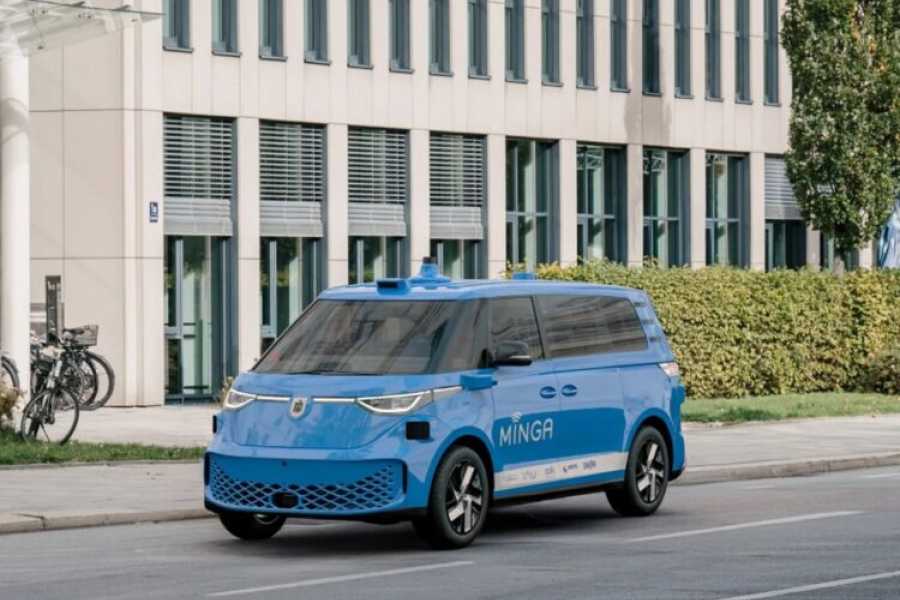
Volkswagen has announced plans to launch robotaxi services in multiple European capitals following successful trials in the United States. The automaker is leveraging its existing manufacturing presence to deploy vehicles built on dedicated electric vehicle platforms designed for autonomous operation.
Mercedes-Benz has pursued a more cautious approach, focusing initial European deployments in cities with supportive regulatory environments. The company's Drive Pilot system has received approval for use in specific conditions, providing a foundation for broader service launches.
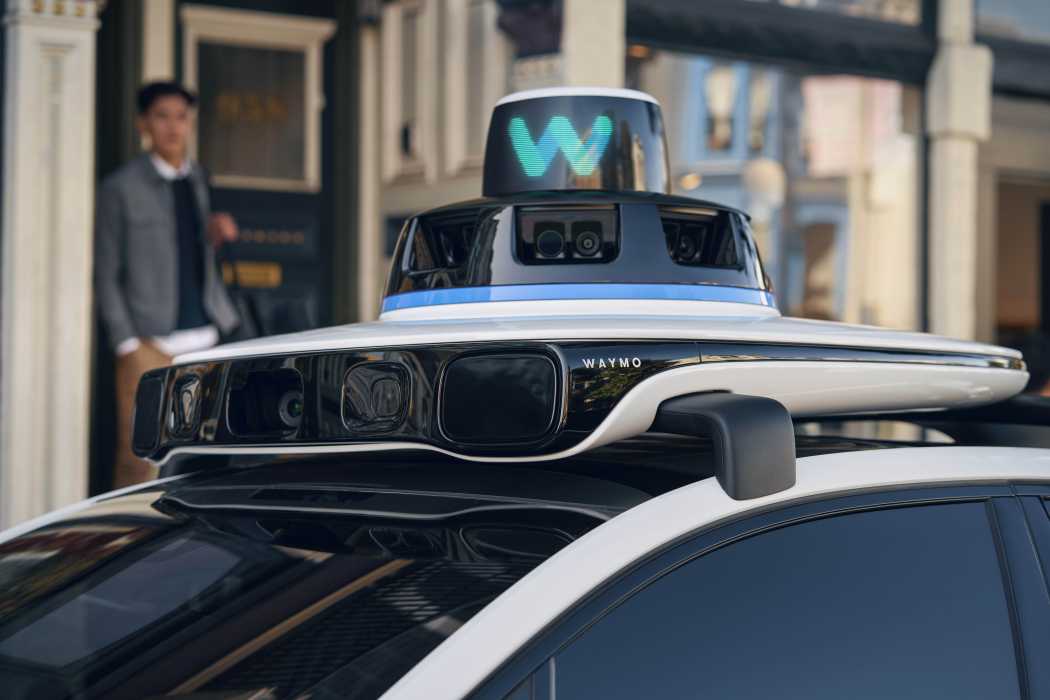
Waymo continues to operate its robotaxi service in select American cities while exploring international expansion. The Alphabet subsidiary has accumulated more autonomous miles than any competitor, with plans to begin testing in London in late 2026.
The competitive dynamic between these players reflects broader industry recognition that autonomous vehicles represent the future of personal transportation. Companies that fail to establish presence risk losing market share to rivals who successfully navigate technical and regulatory obstacles.
Technology Challenges
Autonomous vehicles continue to struggle with edge cases that human drivers navigate instinctively. These situations include unusual road configurations, adverse weather conditions, and unpredictable pedestrian behavior that challenge even the most sophisticated artificial intelligence systems.

The reliance on high-definition maps creates vulnerabilities when construction or other changes alter driving environments. Vehicles may become confused or paralyzed when encountering situations that differ from their training data in unexpected ways.
Sensor technology has improved substantially but remains imperfect in certain conditions. Heavy rain, snow, and fog can degrade camera and lidar performance, forcing companies to establish operational design domains that limit where vehicles can safely operate.
Machine learning models require enormous amounts of data to achieve reliable performance across diverse scenarios. Companies must balance the desire for rapid scaling against the need to ensure safety in all environments where vehicles operate.
European Market Considerations
European cities present infrastructure challenges that differ significantly from American suburban environments where most autonomous testing has occurred. Narrow streets, roundabouts, and complex intersections require adaptation of both technology and operational practices.
Regulatory fragmentation across European Union member states creates additional complexity for companies seeking to operate across borders. Each country maintains its own approval process and technical requirements for autonomous vehicles.
Historic urban centers often lack the clearly marked lanes and standardized signage that autonomous systems prefer. Companies must develop more sophisticated real-time perception capabilities to navigate these challenging environments.
Consumer attitudes toward autonomous vehicles vary considerably across European markets. Countries with strong automobile cultures may embrace robotaxis more readily than those where public transportation dominates personal mobility choices.
Public Service Dependencies
The revelation that Waymo vehicles rely on public services when stuck has sparked controversy about the true cost of autonomous vehicle operations. Remote assistance operators, tow trucks, and emergency responders all contribute to keeping robotaxis moving when they encounter impassable situations.
These dependencies raise questions about who bears the costs when autonomous vehicles fail to perform as advertised. Taxpayers may effectively subsidize robotaxi operations through public services that companies have not fully accounted for in their business models.
Companies argue that such interventions represent a small fraction of total trips and that human drivers similarly require assistance in difficult situations. Critics contend that the frequency and cost of these interventions will increase as vehicle fleets expand.
The discussion reflects broader concerns about how autonomous vehicle companies have structured their operations to minimize costs while externalizing certain expenses to public infrastructure.
Regulatory Environment
European regulators have taken varied approaches to autonomous vehicle approval, with some countries embracing the technology while others maintain cautious skepticism. Germany has emerged as a leader in establishing frameworks for highly automated driving.
The European Union has been working to harmonize autonomous vehicle regulations across member states, though significant differences persist in practice. Companies must navigate a patchwork of requirements that complicates expansion plans.
Safety standards for autonomous vehicles continue to evolve as regulators gain experience with the technology. Requirements for data recording, incident reporting, and operational restrictions vary considerably across jurisdictions.
Insurance and liability frameworks remain unsettled in many markets. Questions about who bears responsibility when autonomous vehicles cause accidents have yet to be fully resolved through legislation or court decisions.
Industry Strategy
Automakers and technology companies are pursuing aggressive timelines for expansion despite ongoing technical and regulatory challenges. The expectation that early deployments will generate valuable operational data drives investment decisions that prioritize scale over immediate profitability.
Strategic partnerships have proliferated as companies seek to combine complementary capabilities. Traditional automakers bring manufacturing expertise and regulatory relationships while technology companies contribute artificial intelligence and software development skills.
The race to achieve profitability in robotaxi services has led to consolidation among smaller players unable to raise sufficient capital. Survivors of this consolidation may benefit from reduced competition even as they inherit the technical challenges that challenged their competitors.
Investment continues to flow into the sector despite continued losses at leading companies. Investors appear to be betting that autonomous vehicles will eventually achieve profitability at scale, even if the timeline remains uncertain.