Tesla is recruiting chip engineers for its ambitious Terafab project at salaries reaching $330,000 annually, according to job postings and industry sources. The positions require 24/7 on-call availability, reflecting the intensive nature of Tesla's semiconductor development effort under Elon Musk's leadership.
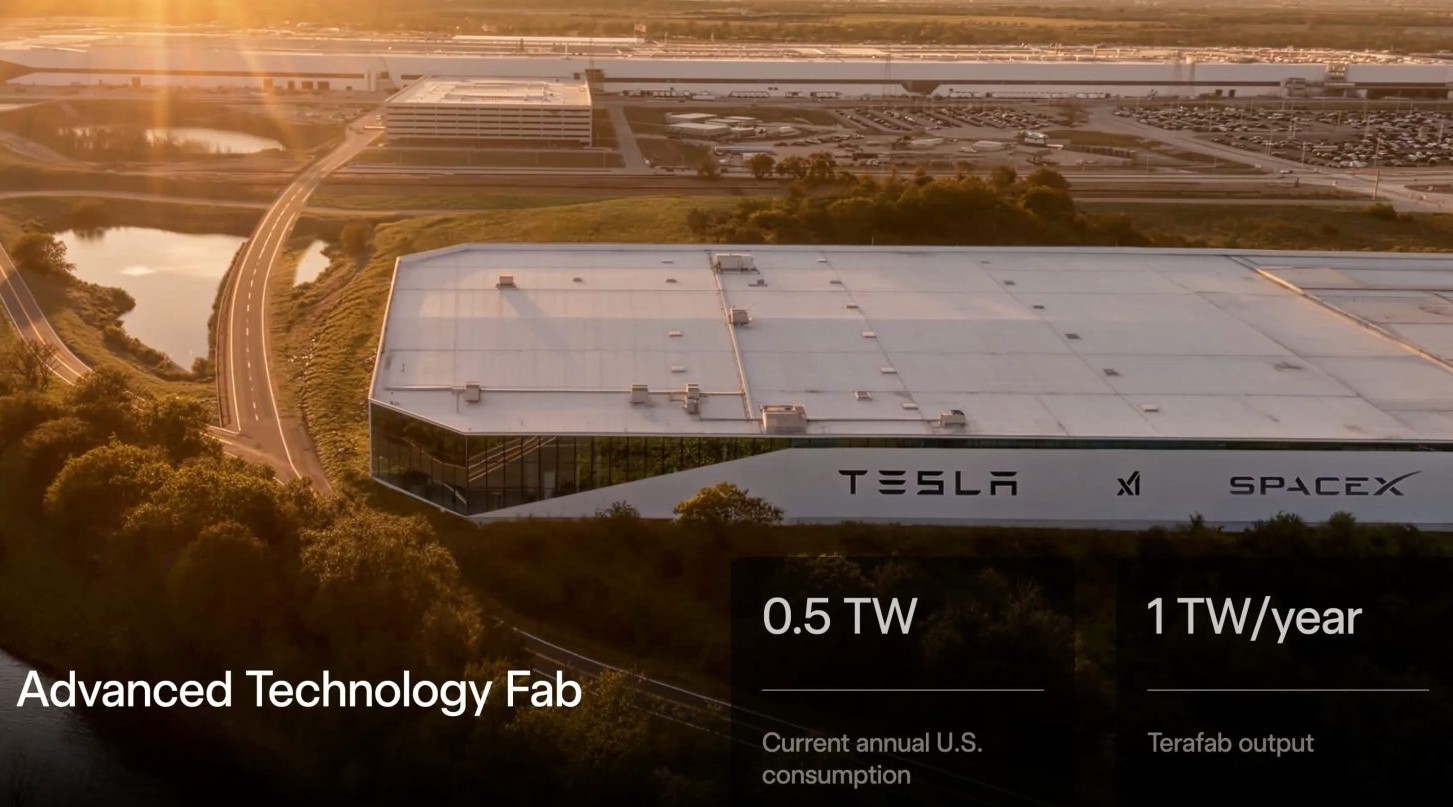
The stated goal of the Terafab project is to achieve computing power output equivalent to one terawatt per year, representing approximately fifty times the current global artificial intelligence computing capacity. The target appears to far exceed any existing or announced semiconductor manufacturing program in scale.

The recruitment drive signals Tesla's determination to achieve semiconductor self-sufficiency independent of external chip suppliers. The company has previously moved to reduce dependence on suppliers including Nvidia for AI computing hardware.
Tesla faces significant engineering and manufacturing challenges in pursuing such an ambitious target. The semiconductor industry has never attempted to scale production to the levels Tesla appears to be targeting.

Terafab Project Scope
The Terafab project represents Tesla's most ambitious semiconductor initiative to date, extending beyond the Dojo training computer that Tesla has previously discussed. Where Dojo focuses on AI model training, Terafab appears to encompass broader computing hardware development for multiple applications.
Tesla's vertical integration strategy has extended from automobiles to battery manufacturing and energy products. Semiconductor development represents the next frontier for a company that has consistently sought to control critical supply chain elements.
The project name suggests a facility designed to produce computing power at terawatt scale, a unit typically associated with power consumption rather than production. This framing may indicate Tesla's focus on efficiency alongside raw computational capacity.
Engineering talent from major semiconductor companies has been targeted in the recruitment campaign. Compensation packages significantly above industry norms reflect the competitive market for experienced chip designers.
Semiconductor Self-Sufficiency Strategy
Tesla's interest in custom silicon has been evident since the company developed its Full Self-Driving chips for automotive applications. The experience gained from that project provides foundation for more ambitious semiconductor programs.
The automotive industry has faced periodic chip shortages that disrupted production schedules. Tesla's commitment to vertical integration stems partly from desire to avoid supply chain vulnerabilities that affected competitors.
Custom silicon allows Tesla to optimize hardware specifically for its AI workloads rather than adapting general-purpose computing solutions. This specialization could provide performance and efficiency advantages unavailable from commercial chip suppliers.
The 24/7 on-call requirement signals the urgent timeline Tesla faces for achieving its semiconductor goals. Such demands may limit the candidate pool to engineers willing to accept unusual working conditions.
Technical Challenges
Producing computing power at the scale Tesla describes would require semiconductor fabrication capabilities exceeding any currently operating facility. The capital requirements alone would reach tens or hundreds of billions of dollars.
Advanced packaging technologies may play a role in achieving Tesla's density and performance targets. Chiplet architectures and three-dimensional integration could combine multiple chips into more powerful assemblies.
Power consumption represents a significant challenge at the scales Tesla appears to be targeting. The energy requirements would demand innovations in chip design that minimize power usage per computation.
Manufacturing timeline for establishing new fabrication capacity typically spans years even with unlimited resources. Tesla's ambitious timeline may require acquiring existing facilities or forming partnerships with established manufacturers.
Industry Context
Nvidia currently dominates the AI accelerator market, with its GPU computing platforms powering the majority of AI training and inference workloads. Tesla has previously relied on Nvidia hardware while developing custom alternatives.
The broader automotive technology sector has shown increased interest in semiconductor development. Mobileye and other automotive chip suppliers have pursued vertical integration strategies similar to Tesla's approach.
The concentration of advanced semiconductor manufacturing in Taiwan creates strategic vulnerabilities that Tesla's project might eventually address. Geographic diversification of chip production has become a national priority for multiple countries.
Compensation and Talent Strategy
The $330,000 salary significantly exceeds typical semiconductor engineering compensation, reflecting the specialized skills Tesla requires and competitive demand for experienced chip designers. Total compensation including stock grants could reach substantially higher levels.
The on-call requirement suggests Tesla expects intensive work schedules during critical development phases. Such demands may appeal to engineers motivated by technical challenges over work-life balance.
Tesla competes for talent with established semiconductor companies, hyperscale cloud providers, and other automotive manufacturers. Each of these employers brings different advantages in compensation, career development, and work environment.
Strategic Implications
Tesla's semiconductor ambitions extend beyond cost reduction to encompass performance optimization and supply chain control. The company may seek to differentiate its AI capabilities through custom hardware unavailable to competitors.
The project may eventually supply computing hardware to other Musk ventures including SpaceX and Neuralink. Synergies across the portfolio of Musk companies could justify investments that would not make sense for Tesla alone.
Investors have expressed varying views on Tesla's diversification beyond automotive manufacturing. The semiconductor initiative represents a significant bet on vertical integration that will take years to evaluate.
Competitive Dynamics
The AI computing market has attracted massive investment from technology giants seeking to reduce dependence on Nvidia. Google, Amazon, Microsoft, and Meta have all developed custom AI accelerators that compete in various segments of the market.
Tesla's entry into custom silicon development follows this broader industry trend while adding unique automotive and energy dimensions. The company's Full Self-Driving technology depends heavily on specialized computing that may be optimized through custom chip development.
The fifty-times scaling target suggests Tesla is planning for AI computing demand far beyond current projections. Whether such demand materializes depends on continued AI capability growth and adoption across applications.
Long-term Vision
Elon Musk has repeatedly demonstrated willingness to pursue ambitious manufacturing goals that industry observers initially considered unrealistic. Tesla's gigafactory scale battery production and SpaceX's rocket reusability represent examples of ambitious targets that ultimately succeeded.
The Terafab project represents Musk's attempt to bring similar manufacturing innovation to semiconductor production. The combination of vertical integration, ambitious scaling, and aggressive timelines has characterized Tesla's approach to other industries.
Success would give Tesla unprecedented control over its technology stack while potentially enabling new business models. Computing power produced at sufficient scale could support energy products, robotaxi services, and other ventures not yet publicly discussed.
The project also carries substantial execution risk given the complexity of semiconductor manufacturing. Industry observers will closely watch Tesla's progress toward its stated targets.