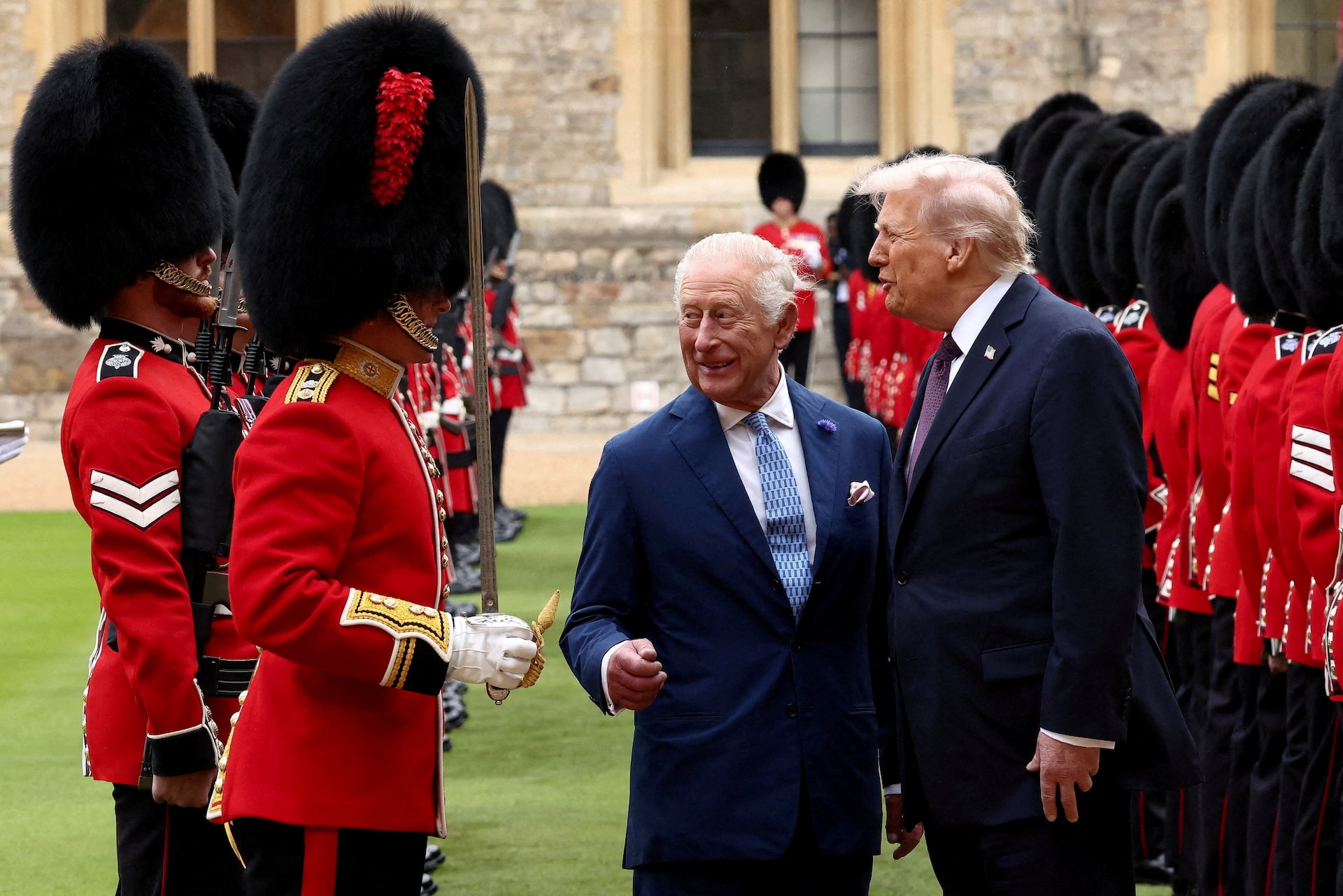

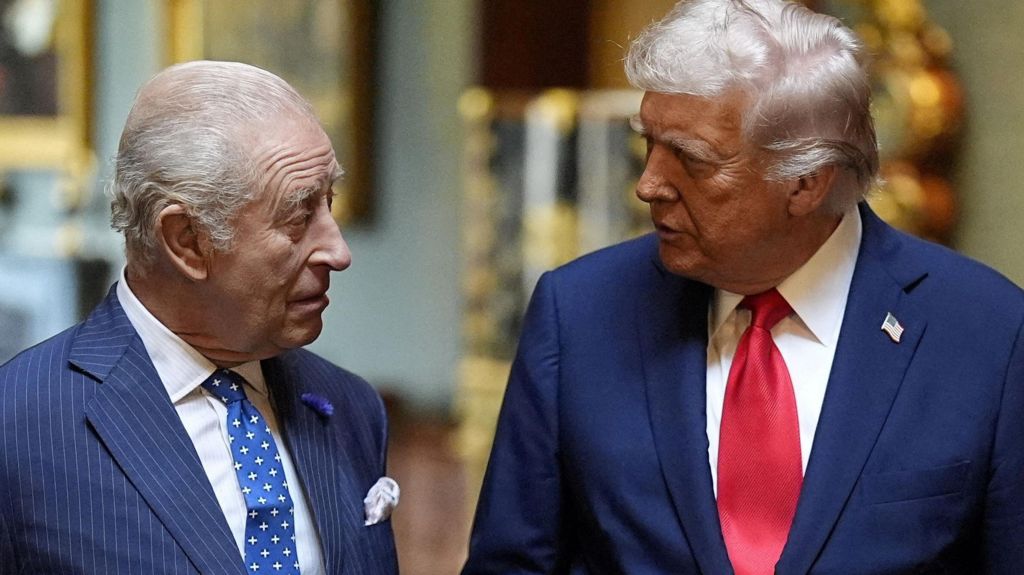
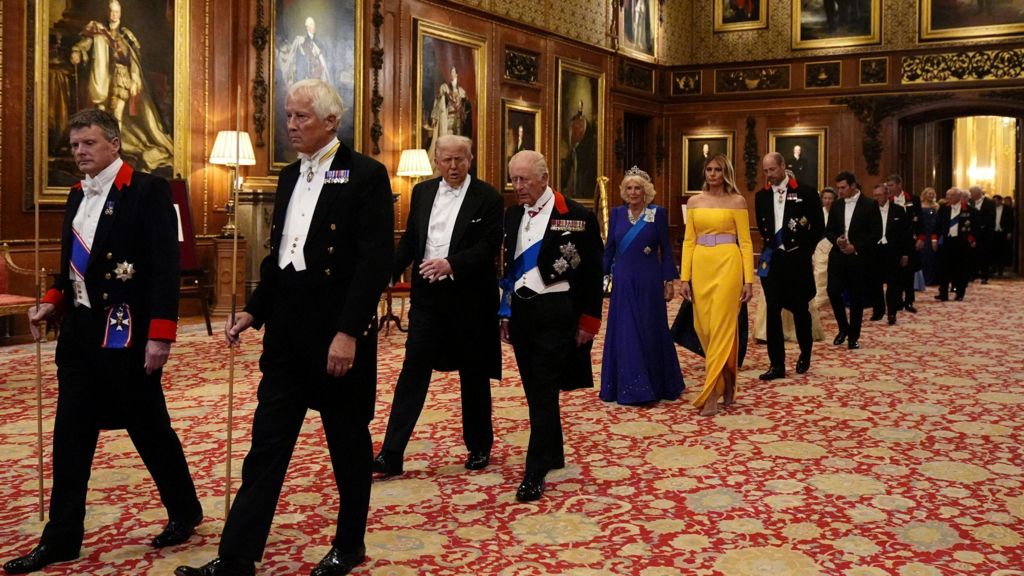
King Charles III will make a state visit to the United States from April 27 to 30, proceeding despite calls from some UK politicians to cancel the trip amid controversy over the Iran war. The visit includes a state dinner at the White House and marks the first state visit for King Charles to the United States, with Queen Camilla accompanying.
The trip celebrates the 250th anniversary of American Independence and the enduring relationship between the United Kingdom and the United States. The timing has generated controversy as critics characterize attending as a humiliation given the Iran conflict.
Some British politicians have publicly called for cancellation, arguing that proceeding with the visit sends the wrong message. The state dinner at the White House represents the highest diplomatic honor the United States can extend to a foreign head of state.
The British government has defended the visit as an important opportunity to strengthen bilateral ties during a challenging period in international affairs. The engagement represents traditional diplomatic practice rather than endorsement of any particular policy.
Diplomatic Significance
State visits serve as symbols of relationship strength between nations, with the formal ceremonies and meetings conveying symbolic and practical messages. The decision to proceed signals confidence in the US-UK partnership despite current tensions.
The visit provides opportunity for direct engagement on sensitive topics including the Iran conflict, trade arrangements, and global security concerns. Private discussions may address issues that public posturing would not accommodate.
Queen Camilla's participation reflects the traditional role of royal spouses in diplomatic engagements. Her involvement alongside King Charles reinforces the personal dimension of the relationship.
The 250th anniversary of American Independence provides thematic framing that emphasizes shared history and values. The milestone moment offers opportunity to celebrate alliance while acknowledging historical complexity.
Political Controversy
Critics who called for cancellation have characterized proceeding with the visit as acceptance of policies they oppose. The Iran war has generated substantial opposition in Britain, with many viewing American military action as unjustified.
The characterization of the state dinner as humiliation reflects the intensity of feeling around the Iran conflict. Some critics have suggested the visit should wait until tensions ease or policy changes occur.
Supporters of proceeding argue that diplomatic engagement is more important during disagreements than during periods of harmony. Walking away from scheduled engagements would represent an unusual diplomatic response.
The British government has balanced domestic political concerns against the practical value of maintaining high-level diplomatic channels. The decision reflects calculation that engagement serves British interests better than isolation.
Historical Context
King Charles has previously made working visits to the United States as Prince of Wales, but this state visit represents a different ceremonial category with more formal elements. The distinction reflects the elevated status a state visit carries in diplomatic protocol.
The last British state visit to the United States occurred during Queen Elizabeth II's tenure, reflecting the continuity of royal diplomacy across reigns. King Charles inherits and continues this tradition of royal engagement with American counterparts.
The relationship between Britain and the United States has navigated significant challenges throughout history while maintaining core cooperation. The current tensions represent one episode in a longer story of alliance management.
Economic Dimensions
The state visit typically includes attention to commercial relationships alongside diplomatic ceremony. British and American businesses look to state visits for signals about economic relationship direction.
Trade discussions between Britain and the United States have been ongoing since Brexit removed Britain from European Union trade frameworks. The visit may include attention to bilateral trade negotiations.
Investment announcements and business delegations often accompany state visits, providing tangible outcomes beyond ceremony. The economic dimension helps justify the expense and effort involved in formal diplomatic occasions.
The technology and financial services sectors receive particular attention given the importance of these industries to both economies. Future cooperation in emerging technology domains may be discussed.
Public Programming
The state dinner represents the centerpiece of official activities, bringing together political, business, cultural, and civil society leaders from both countries. Guest lists typically balance government officials with private sector and civil society representatives.
Beyond the formal dinner, King Charles will participate in engagements that highlight shared interests and values. These programming elements provide public visibility for the relationship beyond closed-door discussions.
The King's speeches during the visit will be closely watched for signals about his views on current issues. Unlike elected officials, the monarch's public statements remain carefully neutral, though analysis often reads between lines.
Queen Camilla's schedule typically includes attention to charitable causes and cultural activities, reflecting her specific interests and roles.
Relationship Strength
Despite current tensions, the US-UK relationship maintains substantial institutional depth. Intelligence sharing, military cooperation, and cultural ties persist through political disagreements.
The so-called special relationship has weathered numerous challenges across Democratic and Republican administrations. The durability of the partnership reflects shared interests that transcend individual policy disputes.
NATO cooperation, intelligence sharing through Five Eyes, and coordination on global challenges provide foundation for the relationship. These practical dimensions matter more than momentary political friction.
The state visit represents an investment in relationship maintenance during a difficult period. Whether the visit strengthens or complicates bilateral ties will depend on outcomes of discussions and subsequent events.
International Reactions
The international community has watched the planning for the state visit with interest, given the controversial context of the Iran war. Allied governments have their own considerations about how to engage with both the United States and Britain during this period.
European partners have expressed varying views on the wisdom of proceeding with high-profile engagement. Some have suggested private diplomacy serves interests better than public ceremony.
The visit's timing during ongoing Iran conflict creates unprecedented circumstances for a state visit of this nature. Historical precedents offer limited guidance for how to navigate diplomatic activity during active military conflicts involving the host country.
Ceremony and Protocol
State visits involve elaborate ceremony reflecting centuries of diplomatic tradition. The formal elements include arrival ceremonies, honors exchanges, and cultural presentations that signal mutual respect.
The White House state dinner represents the pinnacle of American hospitality toward foreign heads of state. Guest lists, menu choices, and entertainment selections receive extensive attention and coverage.
Security arrangements for state visits rank among the most intensive for any diplomatic occasion. The Secret Service and other agencies coordinate extensively with British protective services.
The King's motorcade and public appearances will shut down portions of Washington during the visit. Residents and visitors should anticipate disruption to normal routines in affected areas.
Looking Forward
The success or challenges of the state visit will influence subsequent diplomatic engagement between the countries. Both governments will assess whether the benefits of proceeding outweighed the political costs.
Future engagement between Britain and the United States will continue through various channels regardless of this visit's outcome. The relationship's importance ensures ongoing attention from both governments.
The Iran conflict's resolution or continuation will shape the strategic context for the bilateral relationship going forward. How both countries navigate current challenges will define their partnership for years to come.