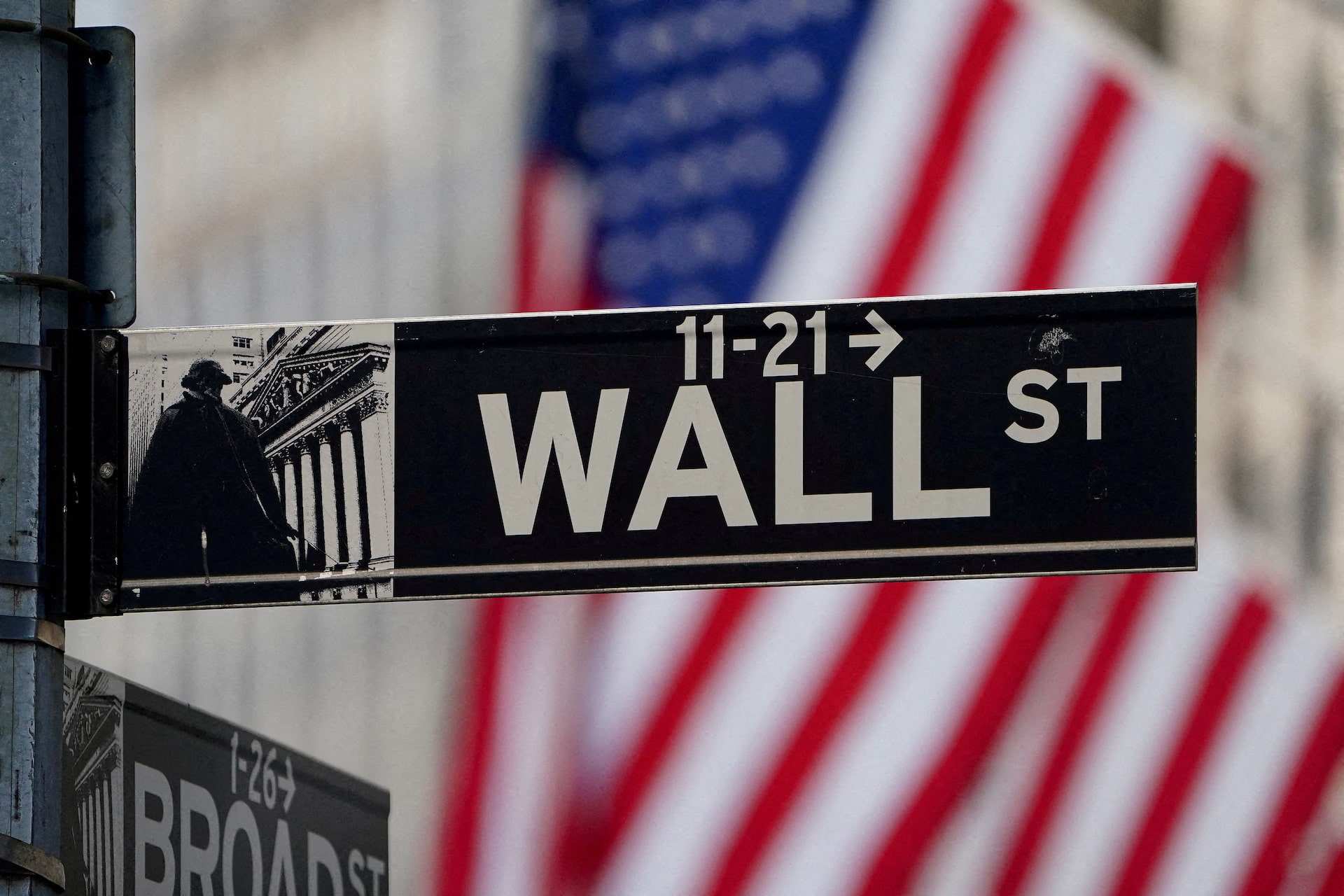


The S&P 500 closed out its worst quarter in four years, declining roughly seven percent during the first quarter of 2026 as the Iran conflict and associated Hormuz blockade have rattled markets for the third consecutive month. The index joins the Dow Jones Industrial Average and Nasdaq Composite in correction territory, with all three major American stock indexes posting sharp losses despite a brief Tuesday rally fueled by de-escalation hopes.
The quarterly performance marks a severe retreat from the gains that characterized much of the post-pandemic bull market. Investors who had anticipated continued recovery have instead faced mounting concerns about inflation, geopolitical risk, and economic growth prospects.
Oil prices above one hundred dollars per barrel have dominated market narratives, with the Hormuz strait blockade threatening approximately one-fifth of global oil supply. The combination of supply disruption and inflationary pressure has created stagflation concerns that Federal Reserve officials have struggled to address.
The quarter ending March 2026 represents a turning point in market sentiment that had remained relatively optimistic despite accumulating risks. The shift reflects how quickly geopolitical developments can overwhelm fundamental economic indicators.
Market Performance
The S&P 500 decline of approximately seven percent marks the sharpest quarterly retreat since the market volatility of 2022. The index had previously recovered from that period to reach new highs before the current pullback began.
The Dow Jones Industrial Average has experienced similar percentage declines, erasing substantial market capitalization from blue chip stocks. The index had proven relatively resilient before the current quarter's weakness.
The Nasdaq Composite has faced particular pressure given its concentration in technology stocks, which have borne the brunt of rising interest rate concerns and growth slowdown fears. The index's heavy weighting toward growth companies makes it particularly sensitive to changing risk appetite.
Small-cap stocks have experienced even more severe declines than the major indexes, with the Russell 2000 falling more than ten percent during the quarter. This underperformance reflects the particular vulnerability of smaller companies to economic uncertainty.
Geopolitical Drivers
The Iran conflict has dominated market concerns since tensions escalated earlier this year. The subsequent Hormuz blockade has created oil supply disruptions that have pushed crude prices above one hundred dollars per barrel for the first time since 2022.
Investors had initially hoped for rapid resolution of the geopolitical crisis, but those hopes have faded as military operations have continued without decisive conclusion. The uncertainty has kept commodity prices elevated and risk assets under pressure.
The Strait of Hormuz represents a critical chokepoint for global oil transportation, and the ongoing blockade has introduced a risk premium that may persist regardless of underlying supply-demand fundamentals. This geopolitical risk premium has proven more durable than many investors anticipated.
International markets have experienced spillover effects from American market volatility, with European and Asian indexes also declining during the quarter. The synchronized nature of the global retreat reflects the interconnected nature of modern financial markets.
Inflation Concerns
The surge in oil prices has rekindled inflation concerns that had only recently begun to moderate. The Federal Reserve had been cautiously optimistic about inflation returning toward target levels before the geopolitical crisis escalated.
Higher energy costs filter through to transportation, manufacturing, and ultimately consumer prices. The pass-through from oil prices to general inflation has historically been substantial and relatively rapid.
Market-based measures of inflation expectations have risen during the quarter, reflecting investor concern that cost pressures may prove more persistent than previously anticipated. Survey measures of consumer inflation expectations have shown similar deterioration.
The combination of slowing growth and persistent inflation creates the stagflation scenario that Federal Reserve officials have sought to avoid. The central bank's ability to address stagflation through traditional monetary policy tools remains limited.
Federal Reserve Response
Fed officials have communicated their attention to inflation risks while acknowledging the uncertainty that geopolitical developments introduce. The balance between supporting growth and controlling inflation has become more challenging.
Market expectations for interest rate cuts have been pushed back significantly during the quarter. The trajectory that seemed probable at the beginning of 2026 has been substantially revised in light of current conditions.
The Fed's balance sheet reduction continues, removing accommodation from the financial system even as the economic outlook has deteriorated. Some observers have questioned whether the timing for this tightening remains appropriate.
Communication from Fed officials has emphasized their flexibility in responding to changing conditions. The central bank has reserved the right to adjust policy based on incoming data rather than committing to predetermined paths.
Investor Implications
The quarterly decline has tested investor conviction after years of relatively favorable returns. Those who had positioned for continued gains have experienced meaningful drawdowns that affect portfolio values.
Volatility has surged during the quarter, with the VIX index reaching levels not seen since previous periods of market stress. Elevated volatility creates both challenges and opportunities for active investors.
Diversification benefits have proven limited during the current correction, as correlations between asset classes have risen. The traditional refuge of bonds has provided less protection than historical patterns would suggest.
Cash positions have become relatively more attractive given the uncertainty about market direction. The option value of waiting for better entry points has increased for investors with flexibility in deployment timing.
Sector Performance
Technology stocks have underperformed during the quarter as growth concerns have weighed on valuations. The sector had been a leader during previous market strength, making its decline particularly significant.
Energy stocks have held up relatively better given the direct exposure to oil price increases. Companies in the sector have benefited from the geopolitical premium even as broader market conditions deteriorated.
Defensive sectors including healthcare and consumer staples have outperformed the broader market, reflecting the risk-off positioning that has characterized recent trading. These sectors typically decline less during corrections but also participate less in subsequent recoveries.
Financial sector stocks have experienced mixed performance as higher interest rates support net interest margins while credit quality concerns have emerged. Banks with significant exposure to commercial real estate have faced particular scrutiny.
Forward Outlook
The remainder of 2026 will depend heavily on how the Iran situation develops and whether current tensions resolve or escalate further. Geopolitical developments have proven difficult to predict, creating substantial uncertainty for market participants.
Corporate earnings growth will be closely monitored as companies report first quarter results. The ability of businesses to maintain profitability despite cost pressures will influence market valuations.
The Federal Reserve's policy trajectory remains the key macro variable for markets. Any indication that the central bank sees current conditions as requiring different policy responses could trigger significant market moves.
The fundamental question for investors is whether current weakness represents a buying opportunity or the beginning of a more prolonged market decline. Historical analogies offer limited guidance given the unique nature of current circumstances.