
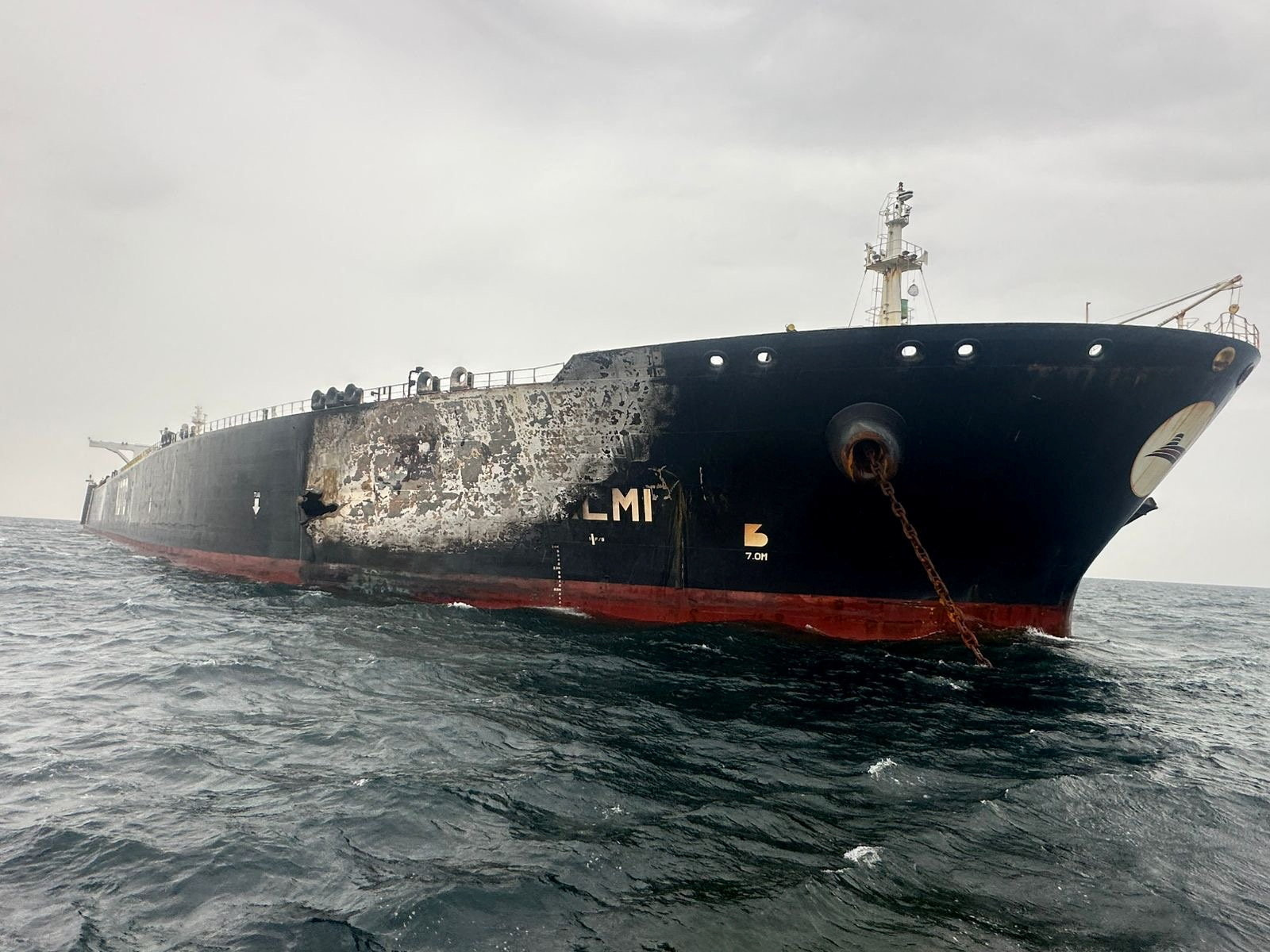
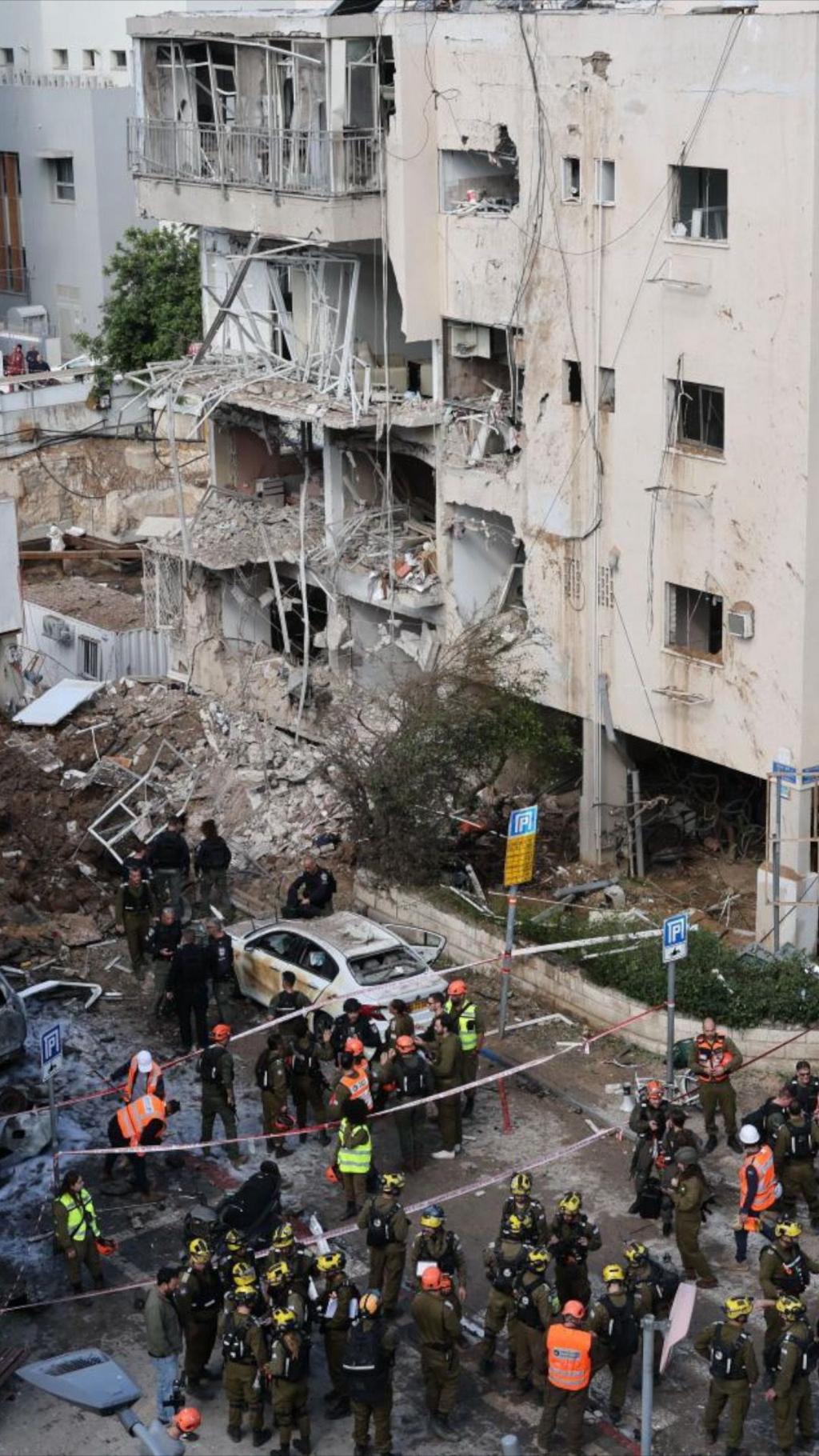
President Trump has requested 1.5 trillion dollars for the Department of War in the fiscal year 2027 budget, representing an increase of 445 billion dollars from the previous year and marking the largest post-World War Two increase in American military spending history. The budget proposal includes 185 billion dollars for the Golden Dome missile defense system, 65.8 billion dollars for shipbuilding, and substantial funding for critical munitions. The increases would be partially offset by 73 billion dollars in non-defense spending cuts. The defense budget reaches its highest point in modern history as the country continues to grapple with the ongoing Iran conflict.
The unprecedented peacetime military buildup reflects the administration's assessment of threats facing the United States and its allies. The combination of conventional force modernization and missile defense represents a comprehensive approach to addressing multiple potential adversaries.
Congress will now consider the budget request amid debate about the appropriate level of military spending. The proposal faces both support from those who argue increased defense investment is necessary and criticism from those concerned about the deficit impact and opportunity cost of defense spending.
The timing of the request, during ongoing hostilities with Iran, lends urgency to the debate. Supporters argue that current operations demonstrate the need for sustained investment, while critics question whether the proposed increases match actual security requirements.
Golden Dome Missile Defense
The 185 billion dollar allocation for the Golden Dome missile defense system represents the largest single investment in the budget proposal. The system aims to provide comprehensive missile defense against ballistic threats from state and non-state actors.
The Golden Dome concept has evolved from the Cold War-era Strategic Defense Initiative into a modern architecture designed to address contemporary threats. The system would layer multiple detection and interception capabilities to address different missile types and attack scenarios.
The budget allocates funding for accelerated development and deployment of components that could be operational within the proposed timeline. The administration has set ambitious goals for initial deployment before the end of the decade.
The missile defense system addresses concerns about threats from Iran, North Korea, and other potential adversaries. The Iran conflict has demonstrated both the capabilities and limitations of current missile defense systems.
Shipbuilding Investment
The 65.8 billion dollar shipbuilding allocation reflects the navy's plans to expand fleet size and replace aging vessels. The funding supports construction of new aircraft carriers, submarines, and surface combatants.
The current fleet has aged beyond planned service life, creating maintenance challenges and capability gaps. The investment addresses years of deferred shipbuilding that has reduced fleet readiness and operational capacity.
The shipbuilding plan includes both nuclear-powered submarines and advanced surface vessels designed to operate in contested environments. The focus on undersea capabilities reflects the strategic importance of ocean control.
Modernization of the fleet addresses competition from Chinese naval expansion in the Indo-Pacific region. The budget allocates significant resources to capabilities specifically designed to counter Chinese military advances.
Munitions and Readiness
Critical munitions funding targets the replacement of weapons expended during the Iran conflict and the stockpiling of precision-guided munitions. The conflict has demonstrated the importance of sustained firepower in modern warfare.
The budget addresses concerns about munitions availability that emerged during current operations. The industrial base for defense production has required acceleration to meet operational demands.
Precision weapons have proven effective but expensive, with limited production capacity creating potential shortfalls. The funding aims to expand domestic production capabilities to ensure adequate supply.
The readiness investment includes training and maintenance funding to ensure forces can effectively employ new weapons systems. The connection between equipment and personnel readiness reflects integrated approach to military capability.
Budget Offsets
The proposed non-defense spending cuts of 73 billion dollars represent attempts to partially fund defense increases without expanding the deficit. The cuts target various domestic programs identified for reduction or elimination.
The scope of proposed cuts has already generated opposition from affected constituencies and their congressional representatives. The politics of defense spending often involve difficult tradeoffs with domestic priorities.
Defense hawks argue that national security justifies increased borrowing if necessary, while fiscal conservatives contend that offsets should be required. The debate reflects broader divisions about the appropriate size and scope of government.
The actual budget outcome will depend on congressional negotiations that typically produce results different from presidential requests. Both the defense increases and non-defense cuts may be modified during the legislative process.
Strategic Context
The budget request reflects the administration's national security strategy that identifies great power competition and regional threats as the primary challenges facing the United States. The Iran conflict represents one manifestation of a broader competitive environment.
The simultaneous prosecution of the Iran war while planning major force expansion creates budgetary and operational pressures. The combination of current operations and future investment requires balancing immediate and long-term requirements.
Allies and adversaries will interpret the budget signals as indicators of American strategic intentions. The scale of the proposed increase signals resolve but also creates concerns about escalation dynamics.
The defense investment comes as European allies question American commitment following the withdrawal from Middle Eastern engagements. NATO partners have expressed concern about burden sharing while American forces remain engaged in multiple theaters.
Congressional Outlook
Congress faces difficult choices in considering the administration's defense request. The combination of defense increases and domestic spending cuts presents a complex political equation.
Appropriations committees will review each program element, with some members seeking to add funding for favored programs while others attempt to reduce spending. The final budget rarely matches initial requests in either total size or specific allocations.
The Iran conflict provides political cover for defense spending increases that might otherwise face greater scrutiny. The current operational requirements strengthen arguments for modernization and readiness investment.
Fiscal year 2027 budgeting will unfold against the backdrop of ongoing deficit concerns and competing domestic priorities. The defense budget represents a significant portion of discretionary spending that will compete with other priorities.