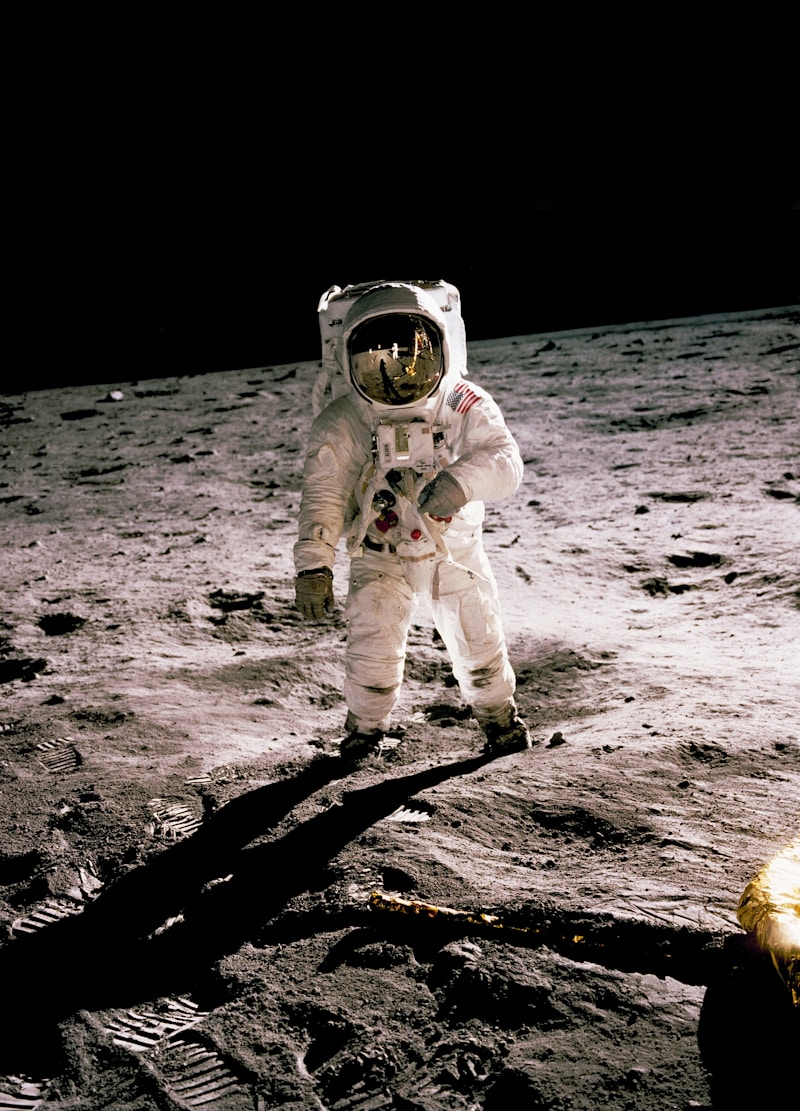
Artemis II has successfully completed its mission, splashing down with all four astronauts safely in the Pacific Ocean. The mission represents the first crewed lunar voyage in more than fifty years, marking a significant milestone in humanity's return to deep space exploration. The successful completion clears the path for the ambitious Artemis III mission that aims to put astronauts on the lunar surface.
The splashdown occurred in the predetermined recovery zone in the Pacific Ocean, with recovery teams moving quickly to secure the Orion spacecraft and extract the crew. The four astronauts emerged in good health after their historic journey that took them farther from Earth than any human has traveled since the final Apollo missions.
The mission tested critical systems that will be essential for the sustained human presence on the Moon that Artemis program aims to establish. The astronauts conducted operations in lunar orbit, demonstrating the capabilities that future missions will require.

Mission Significance
Artemis II represents the culmination of years of development and preparation that have restored NASA's capability to send humans beyond low Earth orbit. The program builds on the legacy of Apollo while establishing infrastructure for long-term exploration that extends to Mars and beyond.
The mission's success validates the massive investment in the Space Launch System heavy-lift rocket and the Orion spacecraft that together form the backbone of NASA's deep space human exploration architecture. Both systems performed as expected throughout the mission profile.
International partnerships have contributed significantly to the Artemis program, with contributions from the European Space Agency, Japanese space agency, and Canadian Space Agency. The collaborative approach reflects the reality that deep space exploration requires resources beyond any single nation.
The successful mission provides political and programmatic momentum that supports continued funding for the subsequent Artemis missions. The program's progress demonstrates that the return to lunar exploration is proceeding according to plan.
Astronaut Experience
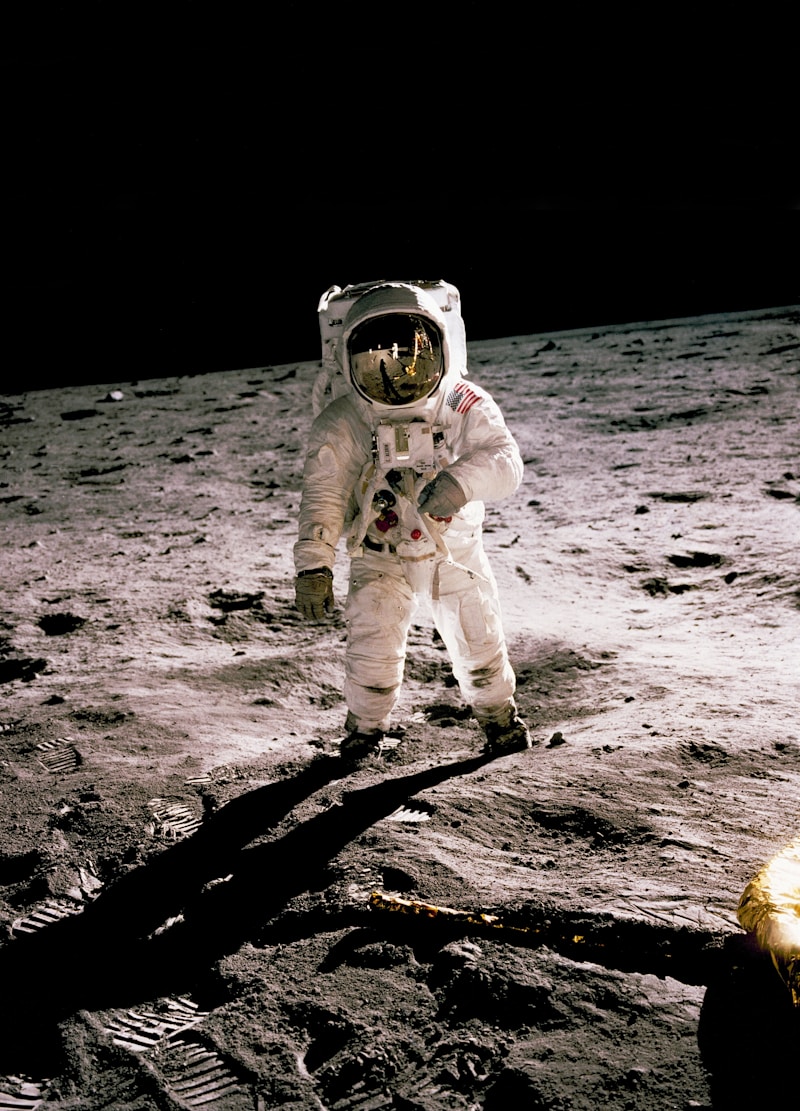
The four astronauts who flew on Artemis II represent the culmination of extensive training and preparation that began years before their selection for this specific mission. Each brought experience from previous spaceflight that contributed to the mission's success.
The crew spent approximately ten days in space, performing systems checks and operational demonstrations while traveling out to lunar distance and returning. The time in lunar orbit provided opportunities to observe the lunar surface from a perspective that few humans have experienced.
The psychological aspects of the mission required careful attention, as extended exposure to the deep space environment presents unique challenges. The crew maintained communication with mission control throughout the flight, receiving support from ground teams.
Medical monitoring confirmed that all crew members remained in good health throughout the mission. The data collected will inform planning for the longer-duration missions that future Artemis flights will require.
The astronauts expressed awe at the view of Earth from lunar distance, describing the planet as a blue marble suspended in darkness. The perspective shift has historically produced profound effects on those who have experienced it.
Technical Achievements
The Orion spacecraft performed flawlessly throughout the mission, demonstrating the systems that will be essential for future deep space operations. The spacecraft's heat shield performed as expected during the high-speed reentry.
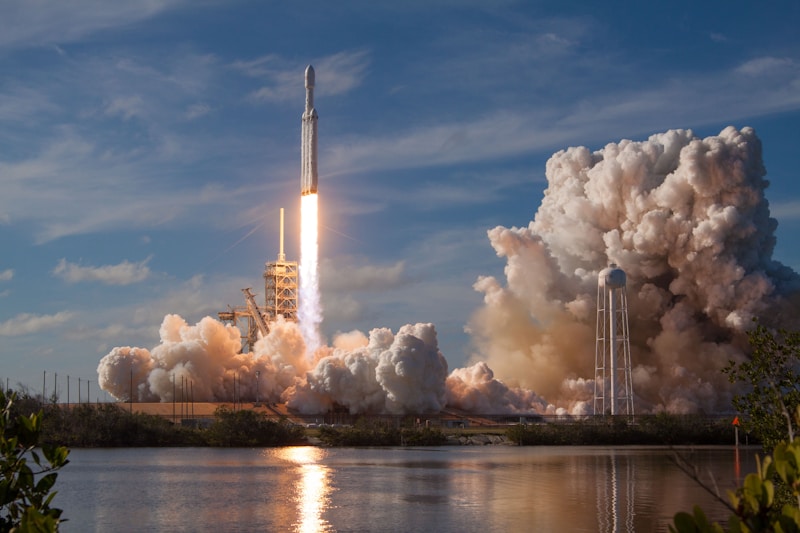
The SLS rocket's performance validated the heavy-lift capability that enables missions beyond low Earth orbit. The vehicle's upper stage performed multiple burns to place Orion on the proper trajectory for the lunar mission.
Communication systems maintained contact with ground teams throughout the mission, even during the periods when the spacecraft was on the far side of the Moon. The tracking network demonstrated the infrastructure that deep space exploration requires.
Power and thermal control systems kept the spacecraft and crew comfortable throughout the mission. The systems operated autonomously for much of the flight, reducing workload for the crew.
The recovery operations proceeded smoothly, with the Navy and NASA teams executing their roles according to plan. The recovery sequence represents years of training and preparation.
Future Implications
Artemis III, currently planned for launch in late 2027, aims to achieve the first crewed lunar landing since Apollo 17. The mission will utilize a SpaceX Starship-derived lunar lander to achieve the surface touchdown.
The success of Artemis II provides confidence that the technical foundation for Artemis III is sound. The mission demonstrated that humans can safely travel to lunar distance and return.
Long-duration missions to the lunar surface will require significant infrastructure that Artemis program is building gradually. The Gateway space station in lunar orbit will provide a staging point for surface operations.
The experience gained from Artemis missions will inform planning for human missions to Mars, which NASA has identified as a long-term goal. The technologies and operational approaches developed for lunar exploration will directly apply to Mars missions.
Commercial partnerships increasingly important to NASA's exploration architecture, with SpaceX, Blue Origin, and other companies contributing critical capabilities. The approach leverages commercial innovation while maintaining government oversight.
Broader Context
The Artemis program occurs amid renewed international interest in lunar exploration, with China, India, and other nations planning lunar missions. The competition and cooperation that characterized the original Space Race have evolved into more complex international relationships.
The scientific returns from lunar exploration include improved understanding of the Moon's geology and history. The South polar region, where Artemis missions will focus, contains water ice that could support future human presence.
Public interest in space exploration remains high, with the successful mission generating significant media coverage and public enthusiasm. The achievements provide inspiration that extends beyond the technical accomplishments.
The Artemis program demonstrates continued American commitment to space leadership, even as other nations develop their own capabilities. The program integrates domestic industrial development with international partnerships.
The successful completion of Artemis II marks an inflection point in human space exploration, transitioning from the demonstration phase to operational capabilities. The path ahead includes challenges, but the foundation is now firmly established.