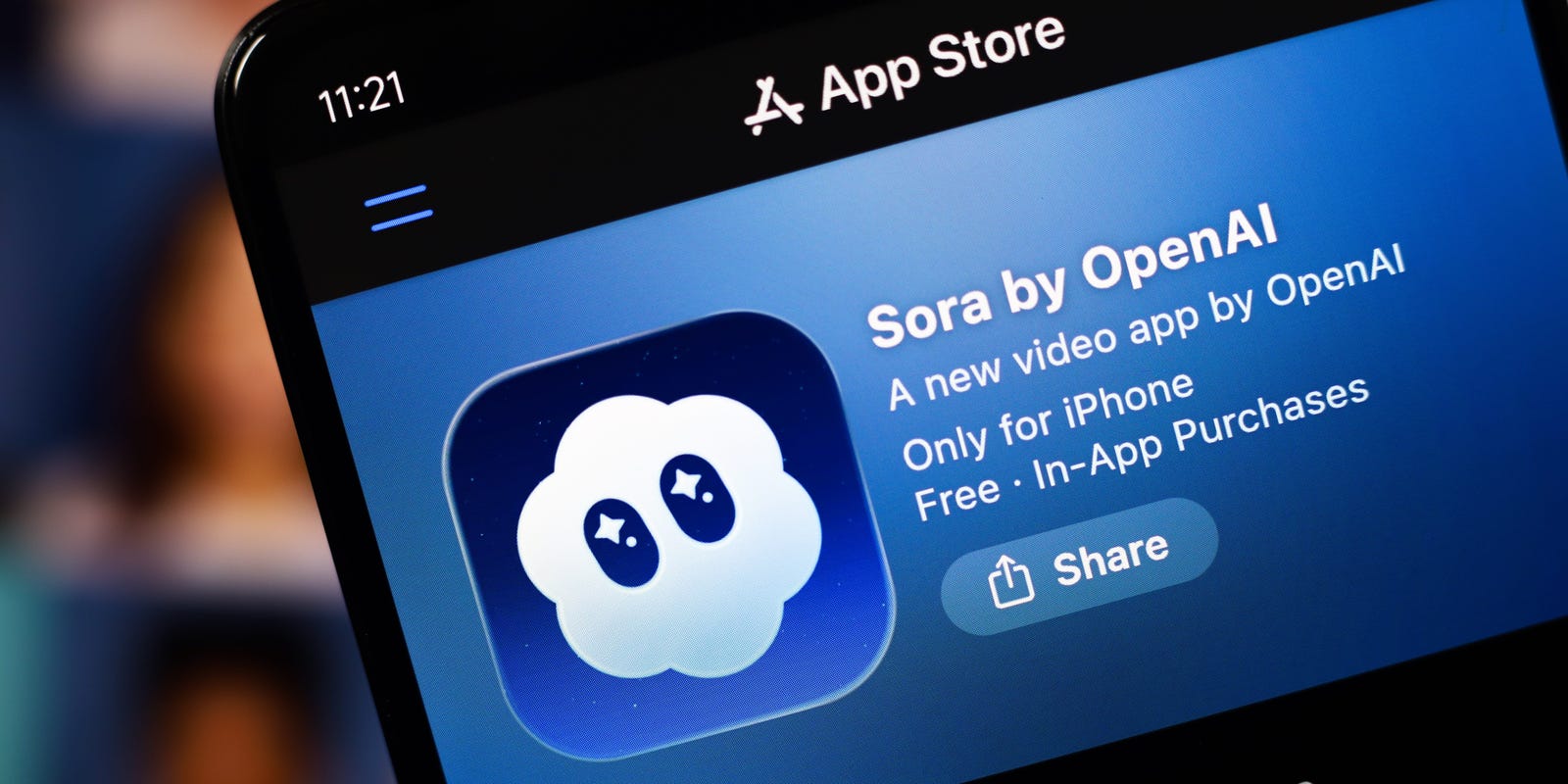
OpenAI has announced it will discontinue Sora, its AI text-to-video generator, marking a significant pivot away from one of the company's most ambitious consumer products. The decision reflects broader strategic recalibrations as OpenAI prioritises profitability and focuses on core capabilities ahead of a potential initial public offering.
The discontinuation affects both the consumer app and API access for Sora. OpenAI confirmed the decision in a statement, citing growing compute demands and the need to concentrate resources on priority products.
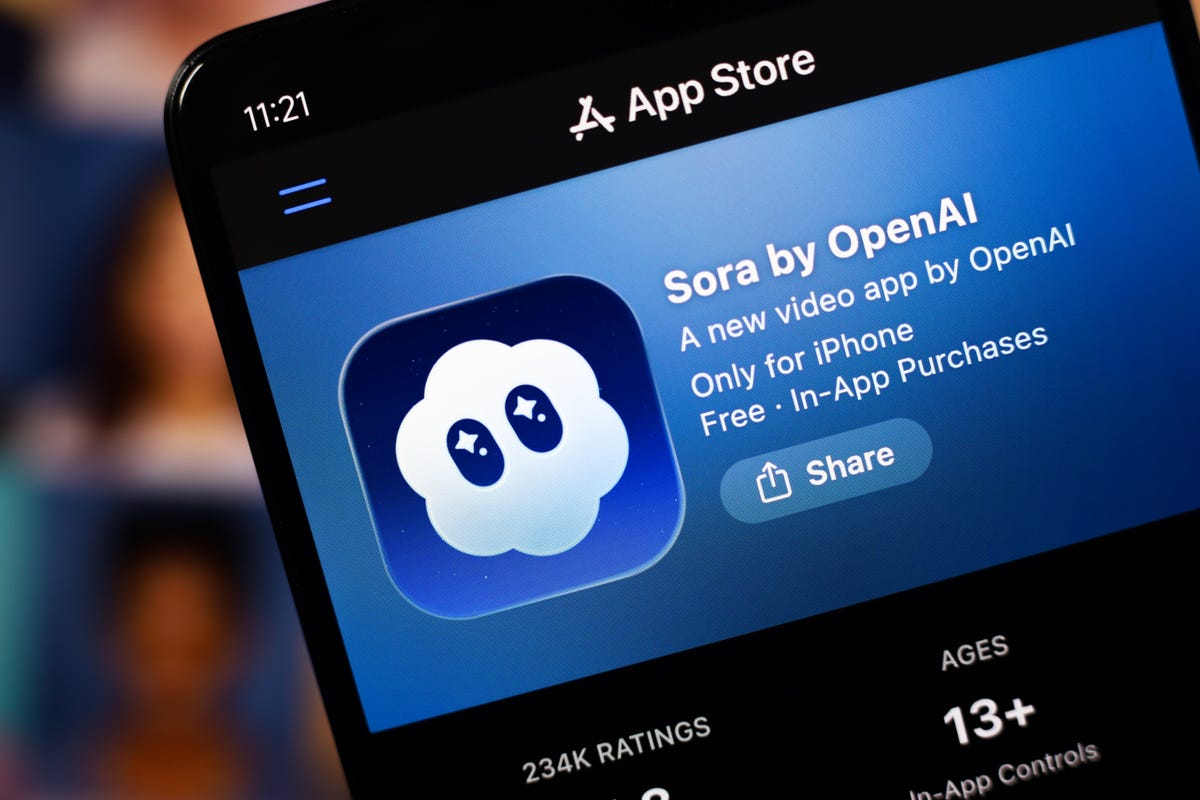
Sora launched in late September 2025 and quickly gained traction, reaching the top position on Apple's App Store and accumulating one million downloads in under five days. The viral success generated substantial attention for OpenAI's video generation capabilities.
Rapid Rise and Challenges
The hype around Sora faded quickly as practical challenges emerged. OpenAI had to implement guardrails after users generated videos featuring protected intellectual property, including characters like Pikachu in contexts that raised copyright concerns.
Cameo, the personalised video messaging app, filed a trademark infringement lawsuit against OpenAI after Sora launched a feature called Cameo. OpenAI subsequently renamed the feature but the legal dispute highlighted ongoing tensions around intellectual property in AI-generated content.
The economics of running a video generation service proved difficult to sustain. Sora lead Bill Peebles described the project's economics as completely unsustainable, with video models requiring substantial computational resources that outpaced revenue generation.
Strategic Reorientation
The move to discontinue Sora aligns with broader organisational changes at OpenAI. Fidji Simo, hired as the company's product head in August, has been tasked with ensuring that OpenAI's powerful models can justify their enormous training and deployment costs.
Simo reportedly told employees at an all-hands meeting that the company cannot miss this moment because it is distracted by side quests. She emphasised that everything else would need to take a backseat to productivity priorities on both business and consumer sides.
The discontinuation signals a more disciplined approach to product portfolio management. Rather than maintaining a broad array of experimental products, OpenAI appears to be concentrating on offerings with clearer paths to sustainable revenue.
Robotics Focus
OpenAI's decision to end Sora includes a shift toward robotics research. The company indicated that the Sora research team will focus on world simulation research to advance robotics that will help people solve real-world physical tasks.
This strategic direction represents a return to earlier interests at OpenAI. The company originally gained prominence for its work on robotic systems before pivoting to language models that became the foundation for ChatGPT and the company's commercial success.
The robotics pivot may position OpenAI to compete in industrial automation and physical AI applications. These markets offer different economic models than consumer software, potentially with more predictable revenue streams.
Market Context
The Sora discontinuation arrives amid intense competition in the generative AI sector. Multiple companies have launched text-to-video products, including established players and well-funded startups.
OpenAI's willingness to discontinue a high-profile product demonstrates the pressure on AI companies to demonstrate financial discipline. Investors increasingly demand clear paths to profitability as the initial enthusiasm for generative AI gives way to scrutiny of business models.
The competitive landscape for video generation has evolved rapidly since Sora's launch. Several competing products have reached market with different approaches to pricing, quality, and content moderation.
Disney Relationship
Disney acknowledged OpenAI's decision to exit the video generation business. The entertainment giant had partnered with OpenAI in a three-year licensing deal that included a one billion dollar investment in the company.
Disney expressed appreciation for the collaboration and indicated it learned valuable lessons from the partnership. The company stated it would continue engaging with AI platforms to find new ways to meet fans while responsibly embracing technologies that respect intellectual property.
The Disney partnership had positioned OpenAI as a serious content technology provider. The dissolution of Sora raises questions about how the broader relationship between the companies will evolve.
Industry Implications
OpenAI's decision to discontinue Sora reflects broader challenges in the generative AI market. High computational costs, intellectual property disputes, and questions about sustainable business models have complicated efforts to commercialise video generation technology.
Other companies in the space may face similar pressures as they attempt to balance innovation with financial sustainability. The ability to generate realistic video has proven technically impressive but economically challenging.
The shift toward robotics suggests that OpenAI sees physical AI applications as a more promising direction than purely digital content generation. This strategic bet could reshape the company's competitive positioning in the years ahead.