
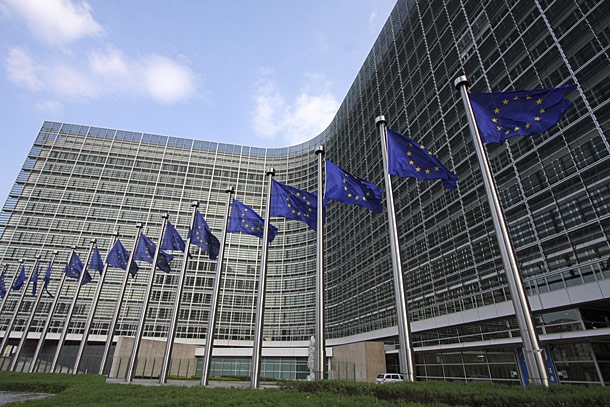
The European Commission has confirmed a significant cybersecurity incident involving its Amazon Web Services cloud infrastructure, after threat actors claimed to have breached the organization's account and stolen substantial amounts of data.
The attackers contacted technology news outlets directly, sharing screenshots as evidence of their access and claiming to have exfiltrated more than 350GB of data, including databases and internal files. The group has indicated it plans to publish the stolen information rather than attempt extortion.
The European Commission spokesperson confirmed the attack, stating that the incident involved data stored on Amazon infrastructure. The Commission noted that its cyber incident response teams detected the breach quickly and are currently examining the scope of the compromise.
Incident Overview
The attack targeted at least one account used to manage the Commission's cloud environment on Amazon Web Services. The compromised account potentially exposed employee information and internal services.
While the full extent of the breach continues to be assessed, investigators believe the attackers gained access through a compromised account credential rather than exploiting a vulnerability in AWS infrastructure itself. Amazon's cloud security was not itself compromised, according to sources familiar with the investigation.
The decision by the threat actors to contact media directly rather than pursue traditional extortion represents an unusual approach. Security researchers suggest the publication strategy may be designed to embarrass the Commission or demonstrate capability to future clients.
AWS Cloud Security
The breach highlights ongoing challenges with cloud security configurations, particularly for organizations managing large-scale cloud deployments across multiple services and accounts.
Cloud security experts have long warned that misconfigured access controls and overly permissive identity policies create significant attack surfaces. The European Commission's AWS environment would typically involve multiple accounts, services, and potentially hundreds of individual credentials.
The exposure of administrative credentials for cloud management platforms represents one of the most serious categories of cloud security failure. Once inside a cloud management plane, attackers can potentially access resources across an organization's cloud footprint.

Organizations operating in cloud environments must implement defense-in-depth strategies that assume some credentials will be compromised. This includes network segmentation, encryption at rest, and monitoring for unusual access patterns.
Response and Investigation
The European Commission's cyber incident response teams are conducting an active investigation to determine exactly what data was accessed and potentially exfiltrated. The investigation involves forensic analysis of cloud infrastructure logs and access records.
The Commission has not disclosed specific details about the attack vector or the credentials that were compromised. Such disclosures typically await the completion of initial forensic investigations.
International cybersecurity agencies have been alerted given the potential implications for other government organizations using similar cloud infrastructure configurations. The breach may prompt reviews of cloud security practices across EU institutions.
Broader Implications
The incident reflects a broader pattern of threat actors increasingly targeting cloud infrastructure as organizations have accelerated their cloud migration initiatives. Cloud environments present unique security challenges that differ fundamentally from traditional on-premises infrastructure.
The choice of the European Commission as a target may reflect geopolitical motivations, with state-linked groups potentially seeking access to government systems for intelligence collection purposes. Attribution to specific threat actors remains under investigation.
Organizations that have migrated sensitive workloads to cloud environments must ensure their security practices have evolved accordingly. Cloud security requires continuous attention to configuration management, access controls, and monitoring.
The publication of stolen government data could potentially expose sensitive communications, personal information of staff, and details about ongoing policy work. The impact of such disclosures extends beyond the immediate technical compromise.
Security Recommendations
Security teams managing cloud environments should immediately review access credentials, implement multi-factor authentication for all administrative accounts, and audit their configurations against cloud security best practices.
Logging and monitoring should capture all access to sensitive cloud resources, enabling rapid detection of unauthorized access. Cloudtrail, Azure Monitor, and equivalent services provide essential visibility into cloud activity.
Regular penetration testing and security assessments can identify misconfigurations before attackers exploit them. Organizations should consider cloud-specific security tools that provide continuous compliance monitoring.
The incident underscores the importance of incident response planning for cloud-specific scenarios. Traditional incident response playbooks may require significant adaptation for cloud environments.
Regulatory Response
The European Commission breach is likely to intensify regulatory scrutiny of cloud security practices across EU institutions. Proposed cybersecurity legislation aimed at strengthening defenses against state-backed and criminal threats may receive additional momentum.
Regulatory frameworks increasingly require notification of data breaches involving personal information, with the General Data Protection Regulation establishing strict requirements for EU-based organizations.
The breach demonstrates that even well-resourced government institutions with access to cybersecurity expertise remain vulnerable to determined attackers. This reality has implications for how cybersecurity investments are prioritized and measured.