Why it matters
The wearables market is entering a critical transition phase as major technology companies position smart glasses as the next major platform after smartphones. Apple's reported testing of four different smart-glass designs signals that the company sees wearable AI as a strategic priority, potentially following its successful pattern with the Apple Watch and AirPods. Meta's aggressive pricing with Ray-Ban smart glasses at $499 for prescription models demonstrates the company's commitment to capturing market share before Apple enters the market. Together, these developments suggest that 2027 could be the year smart glasses finally achieve mainstream adoption.
Key developments
Apple's Four Smart-Glass Designs
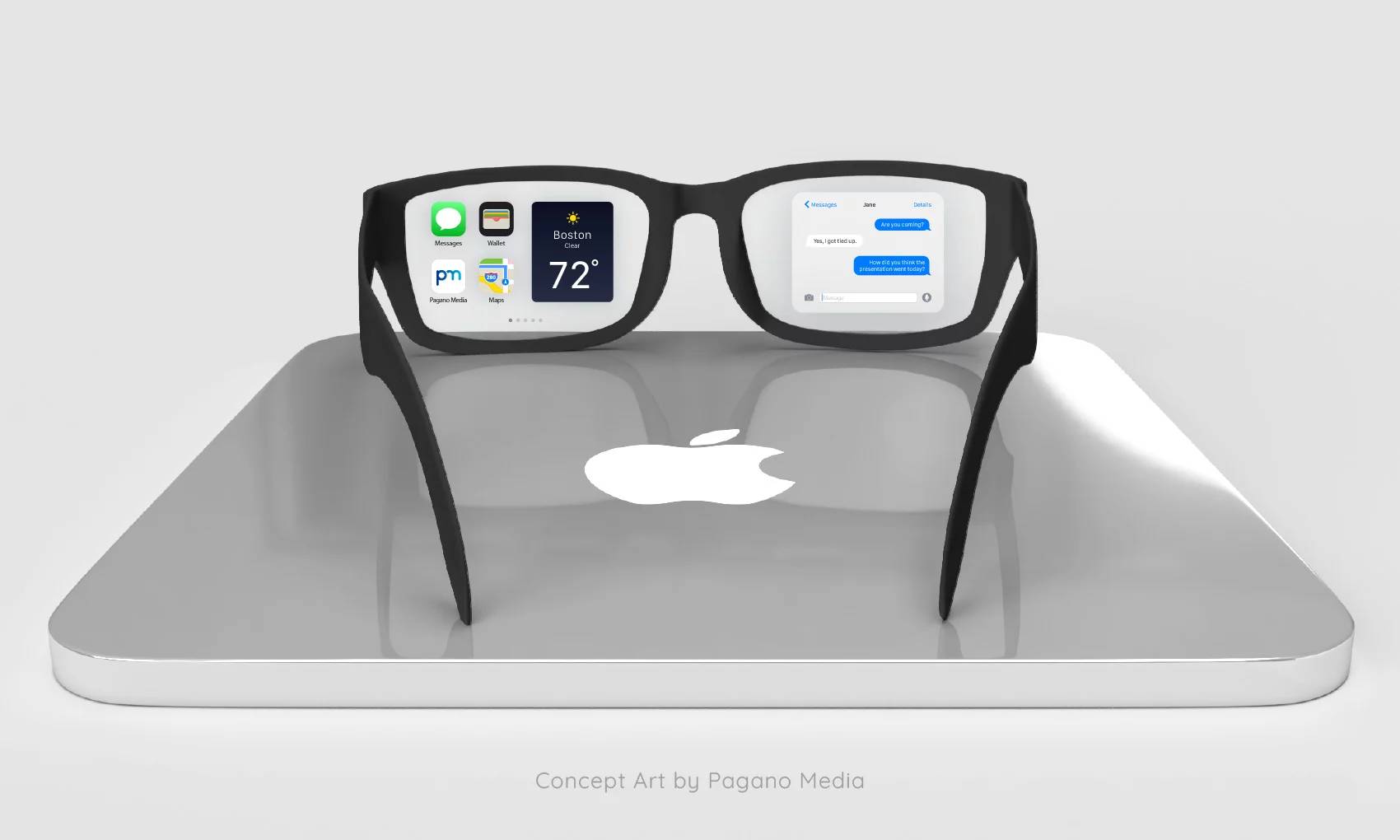
Apple is reportedly testing four different smart-glass designs using premium materials, according to multiple industry sources. The company is exploring multiple form factors to determine which design best balances aesthetics, comfort, and functionality for everyday wear. Apple's approach reportedly emphasizes premium materials and seamless integration with the company's ecosystem of devices and services.
The timeline for Apple's smart glasses appears to be accelerating: a public reveal is expected by the end of 2026, with consumer availability targeted for 2027. This represents a significant push from Apple into the augmented reality market, building on years of development in ARKit and the Vision Pro headset.
Meta's Price Cut Strategy
Meta has responded to increasing competition by cutting the price of Ray-Ban prescription smart glasses to $499, significantly lowering the barrier to entry for consumers. The move positions Meta's smart glasses as an affordable alternative to higher-priced competitors while maintaining the brand appeal of the Ray-Ban partnership.
Meta's strategy centers on capturing early market share before Apple's entry, demonstrating the company's recognition that first-mover advantage in wearable AI could prove decisive in establishing platform standards and developer ecosystems.
Technical Challenges Remain
Both companies face significant technical hurdles in achieving all-day wearability. Key challenges include display brightness for outdoor use, battery life optimization, and heat dissipation during extended wear. These technical constraints have limited previous attempts at consumer smart glasses, but advances in micro-display technology and efficient processors are finally making commercially viable designs feasible.
What to watch
Apple's Ecosystem Advantage
Apple's custom silicon and deep ecosystem integration could provide meaningful differentiation once the product launches. The company's ability to seamlessly connect smart glasses with iPhone, Mac, and Apple Watch could create a compelling user experience that competitors struggle to match. However, Apple's historical premium pricing may limit initial adoption compared to Meta's more aggressive positioning.
Meta's Market Position
Meta's early entry and aggressive pricing strategy aim to establish smart glasses as a mainstream category before Apple arrives. The company's partnership with EssilorLuxottica (Ray-Ban) provides established retail distribution and brand credibility. Meta's success in building developer interest for its smart glasses platform will be critical to creating the app ecosystem needed for sustained growth.
Competitive Landscape
The smart glasses race also includes other players: Google continues development of Android-powered smart glasses, while Snap maintains its Spectacles line focused on younger demographics. The entry of Apple and Meta's intensification suggest that 2026-2027 will be a defining period for wearable AI adoption.