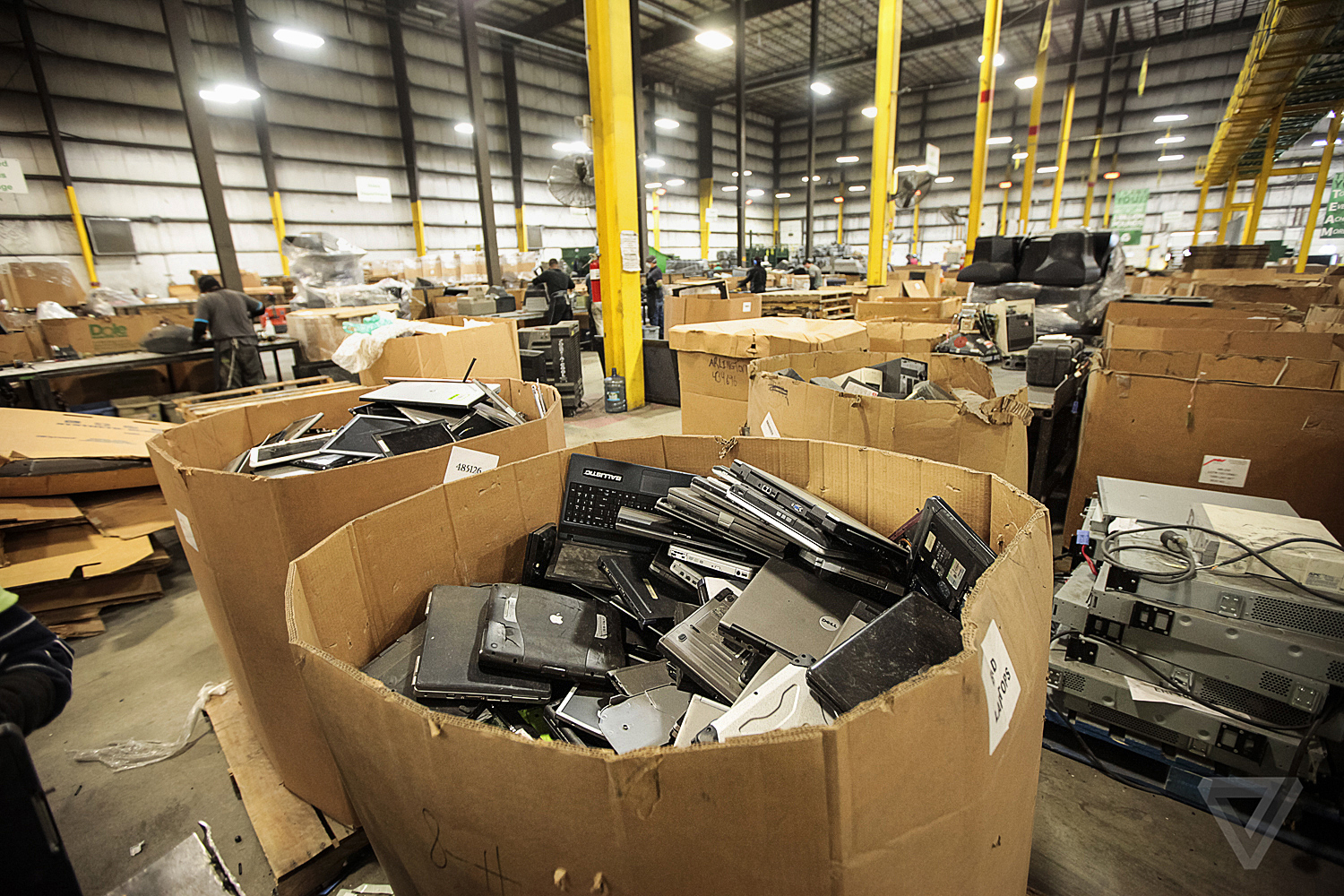
When Sam Altman recently dismissed concerns about water consumption at AI data centers, he illustrated a familiar pattern in the industry's environmental messaging: focus on the visible, manageable narratives — carbon, water — while quieter crises compound out of sight. One such crisis is now surfacing in sharp detail. A April 2026 report from ORF Online highlights an increasingly urgent corollary of the generative AI boom: electronic waste on a scale that infrastructure planners and investors have largely ignored.
The numbers are stark. The International Energy Agency estimates that by 2026, data centers worldwide will generate over 4 million metric tons of e-waste annually from retired AI accelerators alone. That figure is not hypothetical — it is a downstream consequence of the GPU procurement frenzy that has defined AI infrastructure spending since 2022. And unlike water usage or carbon emissions, which have attracted regulatory scrutiny, shareholder pressure, and detailed public commitments from major operators, e-waste disposal remains almost entirely absent from industry ESG frameworks.
The Fast-Pace Hardware Treadmill
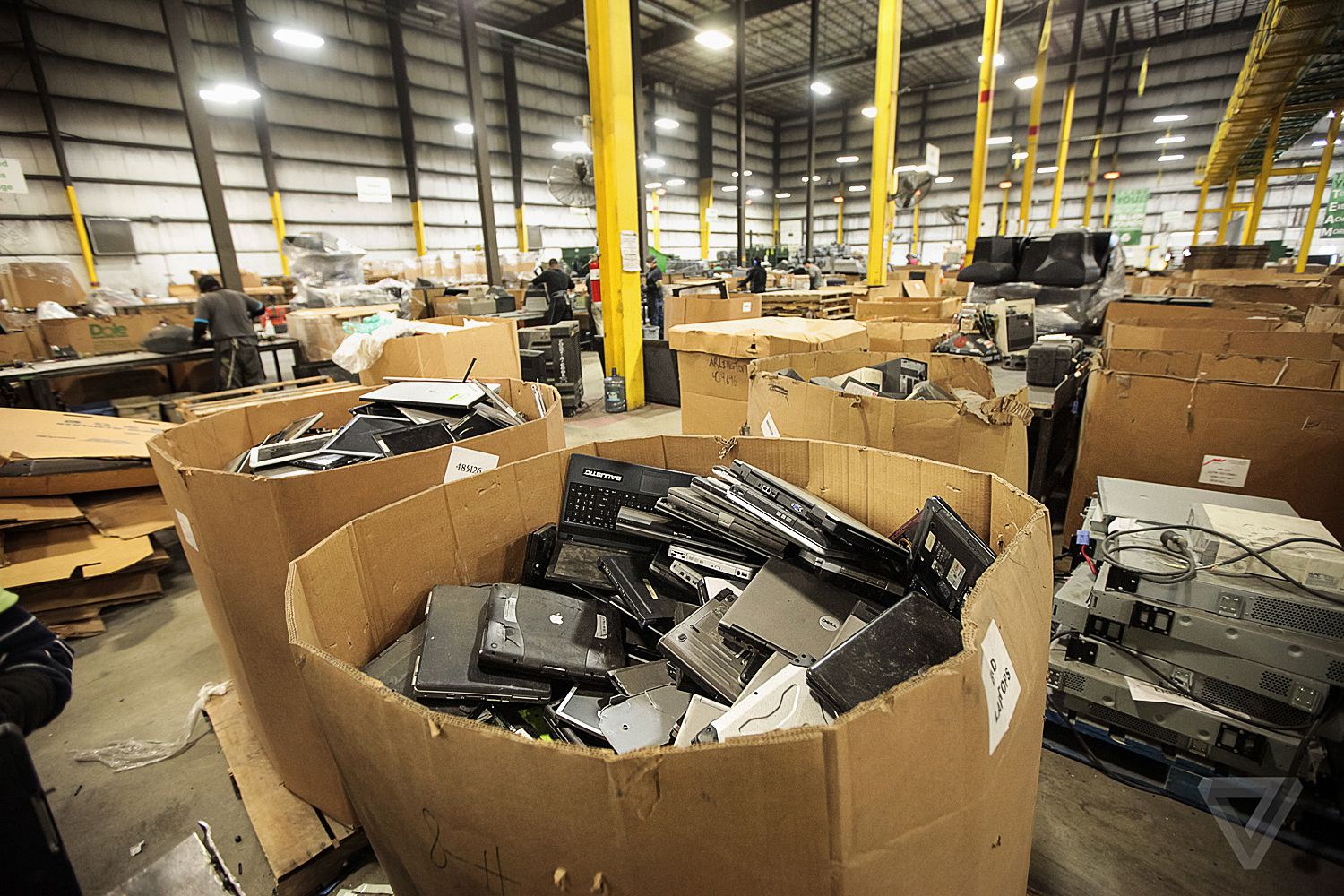
The core problem lies in the accelerated refresh cycle that AI workloads demand. Traditional enterprise hardware — servers, storage arrays, networking equipment — typically operates on seven-to-ten-year replacement cycles. AI infrastructure does not enjoy that luxury. GPUs, the primary accelerators used in large language model training and inference, degrade in performance relative to newer architectures, and the competitive dynamics of the AI race create constant pressure to upgrade. The result: major data center operators, including Microsoft, Google, and Amazon, are now cycling through GPU hardware every three to five years, according to infrastructure analysts tracking procurement patterns.
That compressed timeline creates a volume problem. When a hyperscaler retires 50,000 H100 GPUs in a single refresh cycle, those units do not simply disappear. They enter a downstream processing chain that runs through refurbishment markets, component harvesting operations, and — in under-regulated jurisdictions — raw disposal. The environmental burden of that chain falls disproportionately on developing nations where e-waste processing infrastructure is weakest and health protections thinnest.
A Regulatory Gap No One Wants to Fill

Water consumption by data centers has attracted meaningful regulatory attention. The European Union's energy efficiency directives, shareholder resolutions at annual meetings of listed AI companies, and investigative reporting have all forced operators to publish replenishment commitments. Microsoft, for example, has pledged to replenish more water than it consumes by 2030. Google's carbon-neutral data center commitments have been scrutinized and challenged by climate researchers.
E-waste has received none of this scrutiny. Hardware disposal laws in most jurisdictions were written for consumer electronics — smartphones, laptops, peripherals — and contain no provisions specifically addressing the volume or composition of retired AI accelerators. A rack of forty H100 GPUs contains materials (rare earth elements, specialized memory, high-density power delivery systems) that consumer e-waste frameworks simply do not account for. No major AI company has published a detailed hardware end-of-life policy. No regulatory body has proposed mandatory recycling thresholds for data center equipment.
This is not an accident. Industry communications strategy has deliberately focused environmental narratives on resource consumption — energy, water — where commitments and offsets are more legible to public audiences and investors. E-waste is harder to story-tell. It involves supply chains that run through Southeast Asia and West Africa, components that are difficult to disaggregate, and a disposal economics that favor cost minimization over environmental care.
Secondary Effects and the Bottleneck Ahead
The consequences extend beyond environmental liability. GPU manufacturers — Nvidia, AMD, Intel — face mounting pressure to scale new production to meet AI demand, while simultaneously confronting questions about recycled material recovery in their own supply chains. A GPU that retires after four years of data center service still contains recoverable materials worth billions in aggregate across the industry. But the infrastructure to reclaim those materials at scale does not yet exist in sufficient capacity.
There is also a geopolitical dimension. Much of the world's e-waste processing occurs in countries with limited environmental enforcement. The inflow of retired AI hardware — servers and accelerators that are qualitatively different from discarded consumer devices — adds strain to systems already operating beyond design capacity. NGOs monitoring e-waste flows have reported increasing volumes of data center equipment appearing in processing streams never intended for it.
The AI industry's long-term environmental legacy will be defined not by the energy it consumed, but by what it left behind. The GPU graveyard is growing. Right now, almost no one is watching.