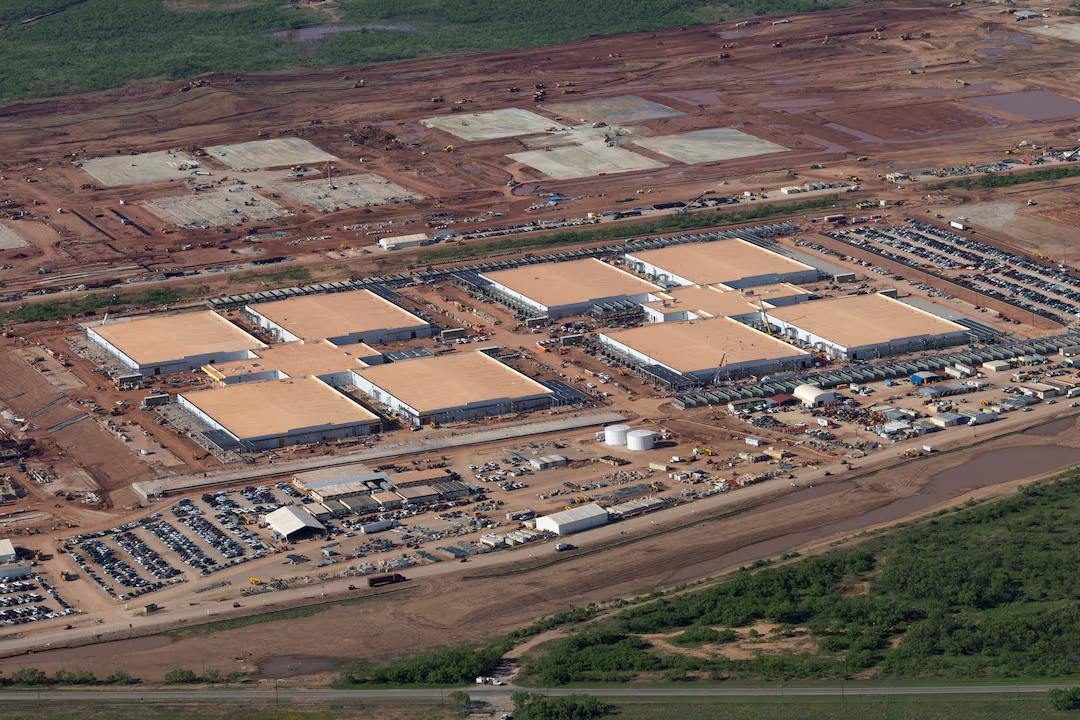
OpenAI’s decision to step back from a Stargate-linked data-center project in Norway looks small next to the industry’s usual model race. It is more revealing than it appears. Microsoft’s move to take over the site, reported by CNBC on April 15, points to a new constraint in AI: the hardest part is no longer just building better models, but securing the physical conditions to run them at scale.
Infrastructure, Not Algorithms, Is Tightening
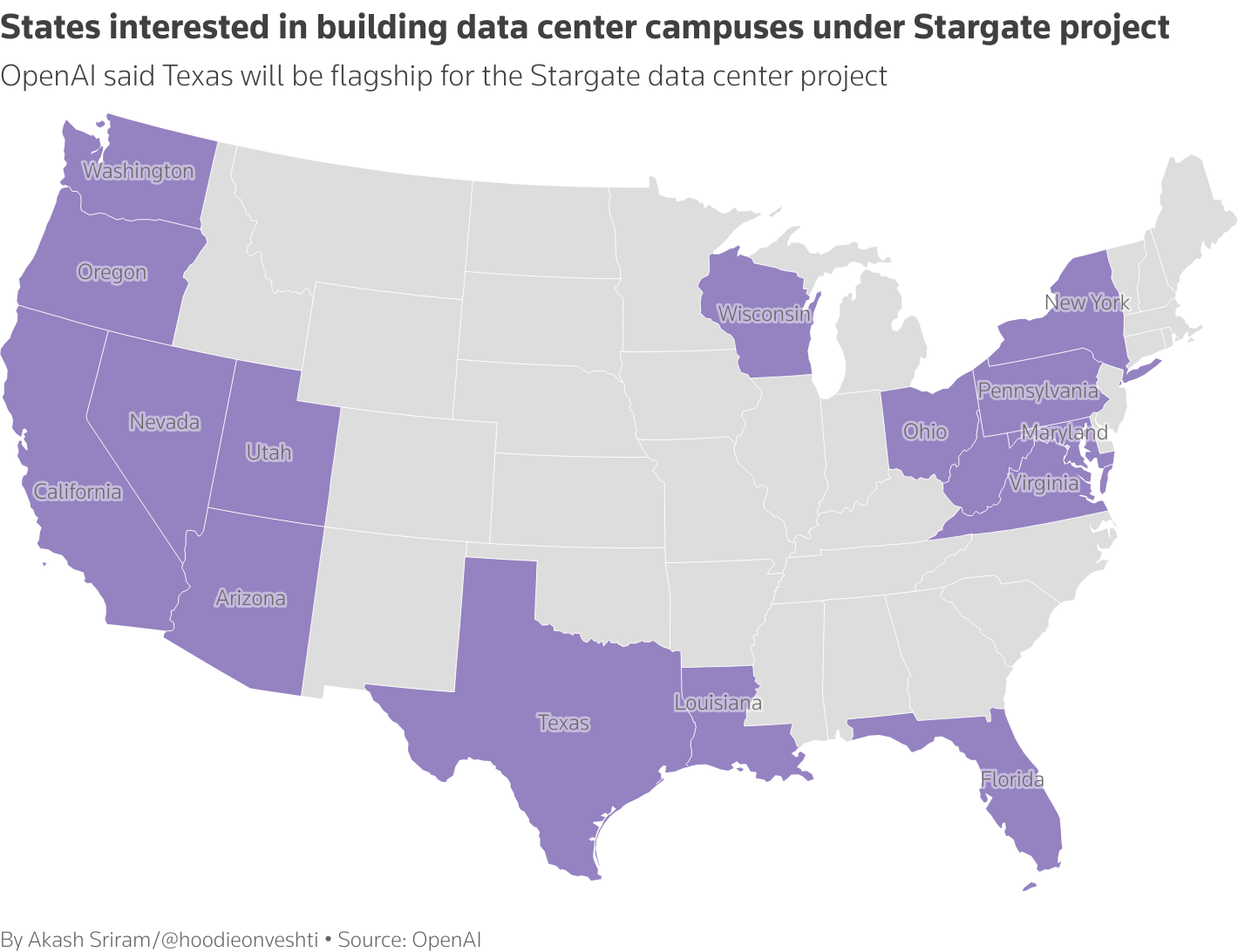
That pattern is showing up across Stargate. The project was introduced by OpenAI, Oracle, and SoftBank as a $500 billion infrastructure push, with five planned U.S. sites, but expansion already looks less linear than the headline suggested. Reuters reported in March that Oracle and OpenAI had dropped a Texas expansion plan, while the BBC later said OpenAI paused a UK data-center deal because of power costs and regulation.
What makes these reversals notable is that none of them point to a collapse in enthusiasm for generative AI. If anything, they show how quickly demand for advanced compute is running into older, slower systems: electric grids, zoning rules, financing cycles, environmental review, and national industrial policy. Model progress may happen in months, but large data-center approvals can take years.
The New Power Brokers in AI

Taken together, those episodes do not suggest AI demand is fading. They suggest compute is becoming a location problem shaped by grid access, permits, financing, and local political legitimacy. That shifts leverage toward utilities, governments, landlords, and cloud incumbents such as Microsoft that can absorb multi-gigawatt risk and navigate approvals across jurisdictions.
In the next phase of AI, the firms that secure electrons and permits may matter as much as the ones that write the best models.