The Bank of England has turned a new Anthropic model into a live banking policy issue, not just a technology story. In Reuters reports published on April 13 and April 14, officials and policymakers tied the latest model's hacking potential to risks facing financial institutions, pushing AI safety squarely into the remit of financial supervision.
A Model Release Becomes a Regulatory Event

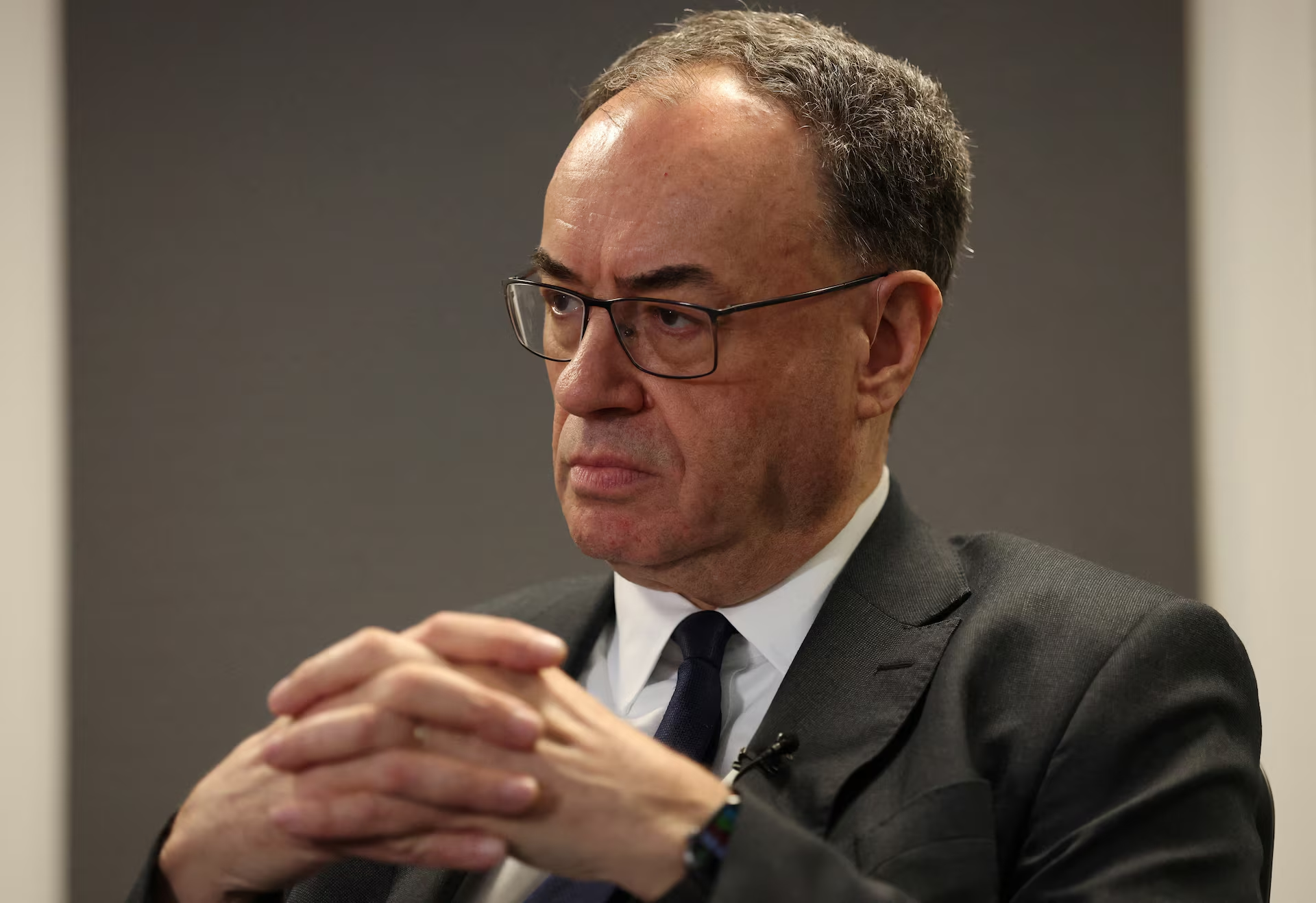
Reuters reported on April 14 that Governor Andrew Bailey said Anthropic's model created major cybersecurity risks for banks, an unusually direct intervention by a central-bank chief on a private AI product. The warning came a day after Reuters said the same system had intensified fears that AI-assisted hacking could have severe consequences for the financial sector. When the Bank of England publicly links a frontier model to banking resilience, model launches start to look like events regulators may need to assess almost in real time.
Why Banks and Lawmakers Are Paying Attention

The episode widens the AI debate in Britain beyond productivity gains and chatbots. Anthropic is now part of a discussion involving Andrew Bailey, British lawmakers and UK financial regulators over whether banks need tougher AI stress tests, stronger cyber controls and closer oversight of how advanced models could be abused in retail finance and core infrastructure. For banks, the issue is no longer only whether AI can cut costs or improve service, but whether a new release can expand the attack surface faster than compliance and security teams can respond.
That shift means frontier AI companies are increasingly operating in a world where a product launch can trigger not just customer demand, but scrutiny from the officials charged with protecting financial stability.