
The Ethereum Foundation on April 14 unveiled a security audit grant program designed to strengthen shared tooling across its developer ecosystem. On the surface, it looks like another grants announcement; in practice, it points to a deeper view inside Ethereum that adoption may be constrained less by base-layer throughput than by how much developers can trust the middleware, libraries and frameworks sitting above it.
Security Spending Moves Up the Stack
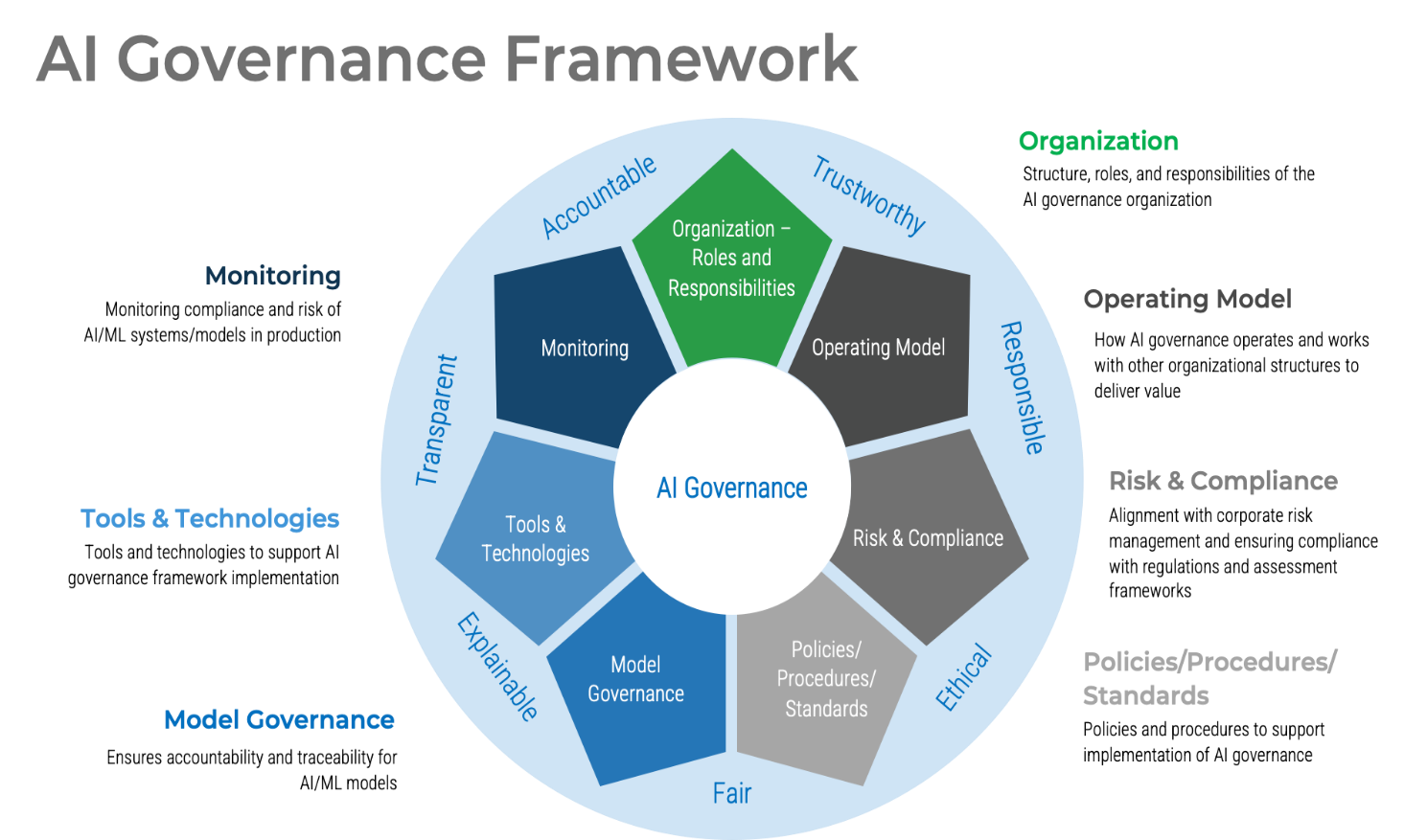
CryptoRank described the initiative as an effort to fortify the broader ecosystem rather than back a single product, a distinction that matters. Shared components such as wallet libraries, SDKs, smart-contract frameworks and bridge infrastructure are reused across hundreds of teams, which means a single audit can reduce risk far beyond one codebase. That gives each security dollar more leverage than a narrowly scoped grant to an individual app.
A Quiet Architecture Bet
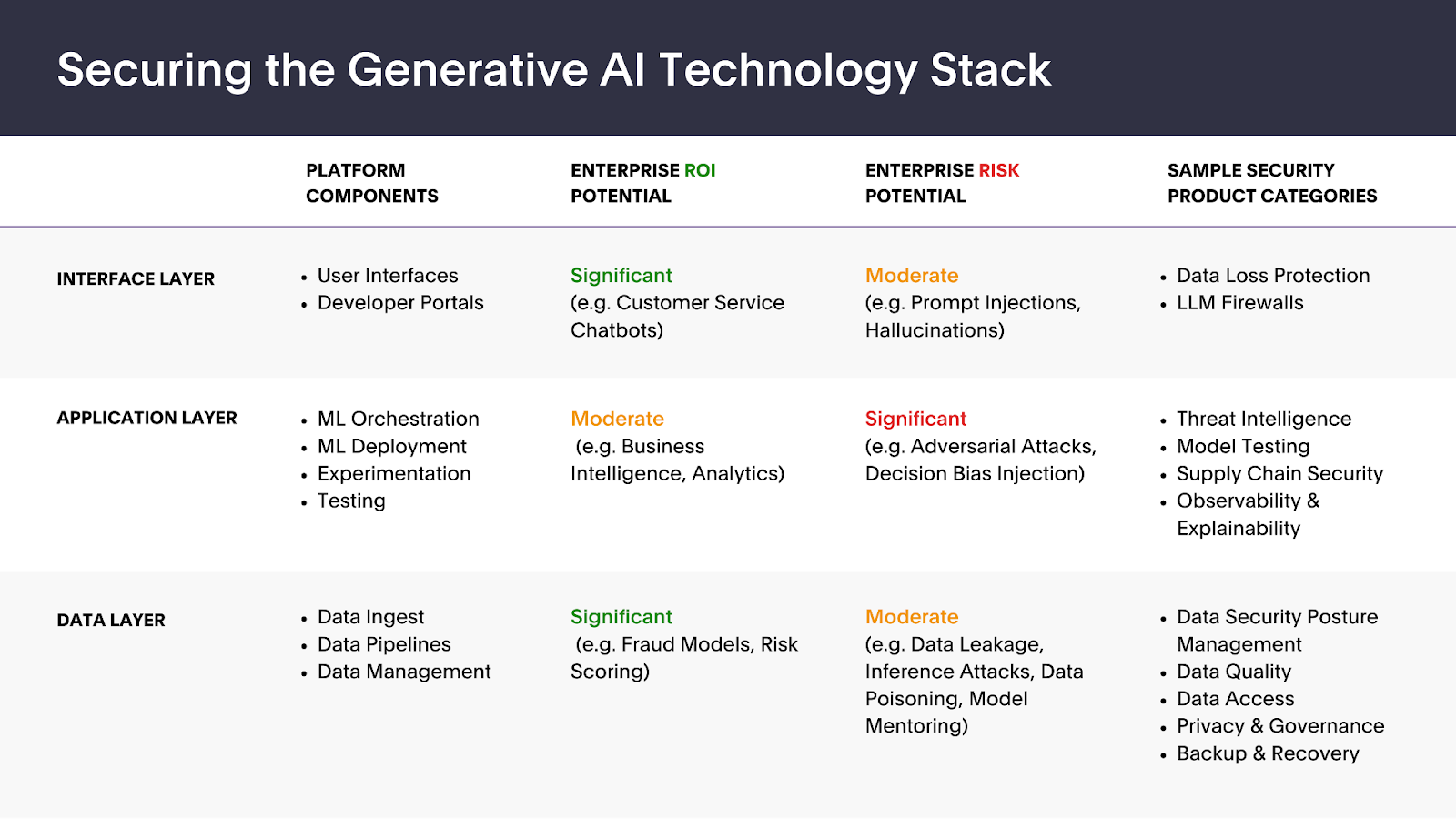
For the next 12 to 24 months, the program suggests the Ethereum Foundation is treating auditability of third-party code as a scaling prerequisite. If more ecosystems follow that model, competition may shift from headline TPS claims to who can underwrite the safest open-source developer stack. In crypto, platform power often compounds in the layers developers do not market but repeatedly depend on.
That makes this less a grants story than an architecture signal about where trust will define the next phase of growth.