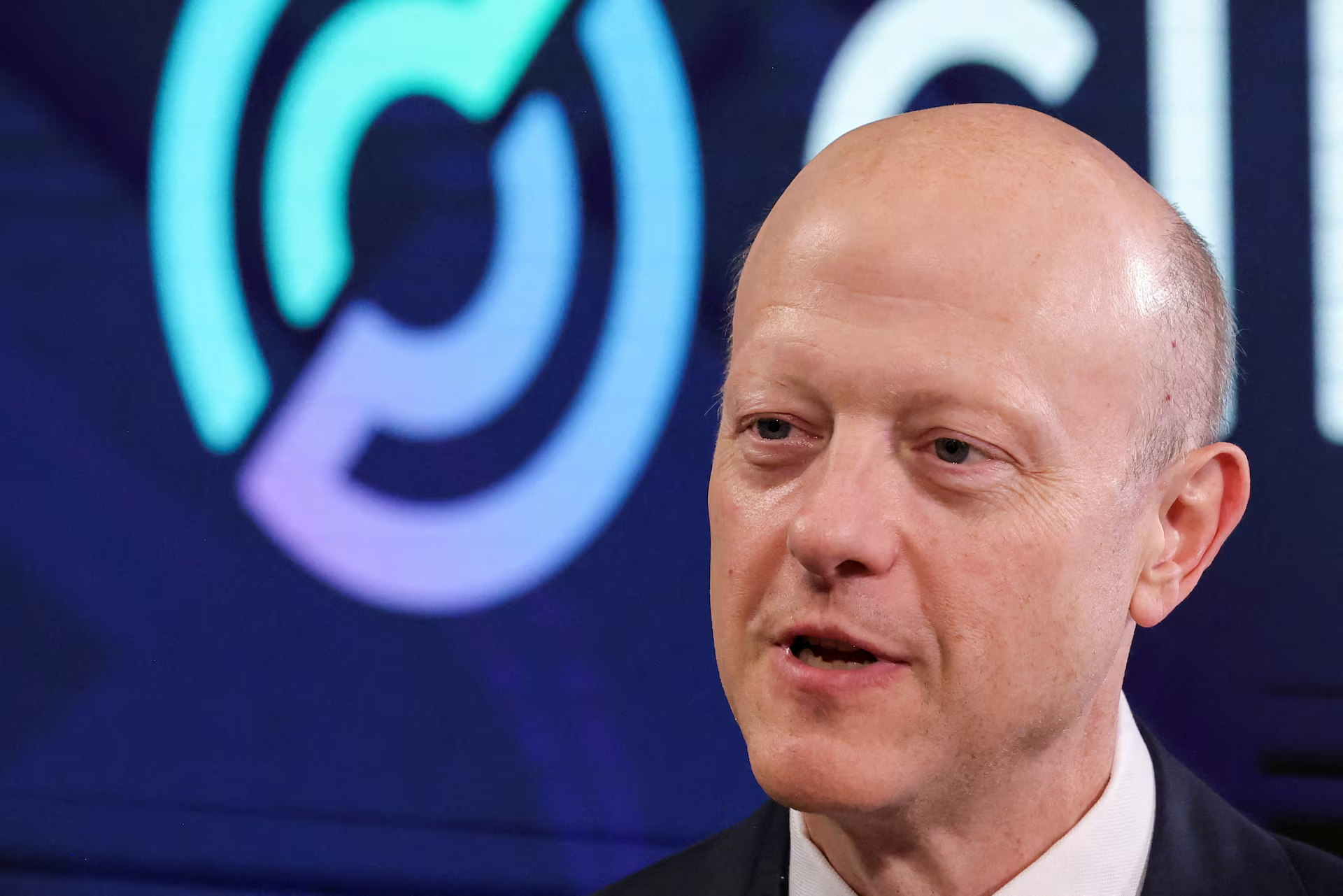
Circle is best known for exporting the dollar through USDC. Now Jeremy Allaire is arguing that the same tokenized model could work for China’s currency sphere, telling Reuters on April 16 that he sees a “tremendous opportunity” for a yuan-backed stablecoin. That shifts the stablecoin debate from crypto plumbing to currency distribution.
Hong Kong Becomes the Practical Testing Ground
The immediate question is not whether Beijing suddenly opens the capital account. It is whether Hong Kong or other offshore renminbi markets decide that tokenized settlement can extend the yuan’s reach in trade, treasury movement and internet payments without handing the rail to dollar tokens. Circle’s point is revealing because USDC and Tether have spent years proving that stablecoins can become de facto settlement infrastructure long before banks or central banks move at the same speed.
Dollar Dominance Now Has a Tokenized Rivalry

That matters because the market has so far been overwhelmingly dollar-based: USDC and Tether are used across exchanges, remittance corridors and corporate crypto treasury flows. If a yuan-backed coin gained regulatory cover and credible liquidity, it would give Chinese policymakers and offshore financial centers a new way to push renminbi usage into digital commerce rather than relying only on legacy correspondent banking. Reuters’ April 16 report did not make that outcome sound imminent, but it made clear the contest is no longer just Circle versus Tether; it is dollar liquidity versus whether another sovereign currency can build comparable network effects on-chain.
The next phase of stablecoins will be decided as much by FX strategy and regulation as by crypto adoption.