
US crypto exchanges are no longer asking whether Washington will tolerate leverage. They are trying to redesign leverage so it fits inside the American rulebook. Reuters reported on April 22 that Coinbase is preparing a CFTC-compliant product that mimics the economics of perpetual futures for domestic users, while Kraken is using a fresh derivatives push to position itself for the same opening. That is a bigger development than another exchange feature launch. Perpetual futures are the core trading instrument in global crypto markets because they allow traders to maintain leveraged exposure without rolling contracts every month. They concentrate volume, market making and fee generation in a way spot products rarely can. CryptoQuant said global perpetual futures volume reached $58.7 trillion in 2025, up 29% from 2024, versus $18.6 trillion in spot trading. For years, most of that activity sat offshore, where exchanges could offer round-the-clock trading, aggressive leverage and looser product design. If US regulators now allow a lawful domestic approximation of perps, the result will not just be a new line item on Coinbase or Kraken. It will change where risk is warehoused, where liquidity providers build, where clearing revenue accrues and which institutions decide that crypto derivatives are finally investable onshore.
Coinbase's Five-Year Contract Turns a Regulatory Gap Into a Product Design Choice
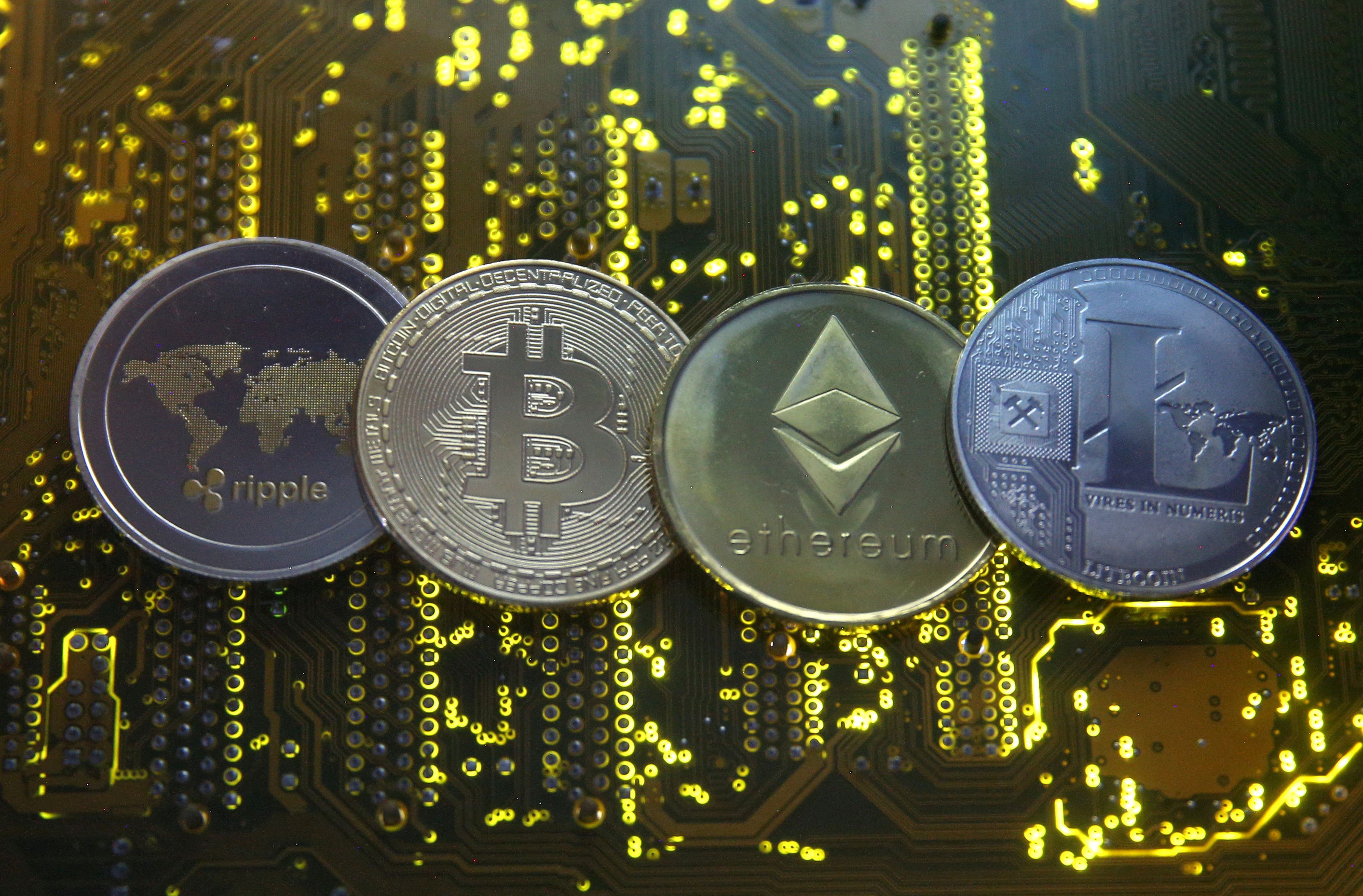
Reuters said Coinbase plans five-year expiries with as much as 10x leverage to reproduce perp behavior inside CFTC rules.
The central problem is legal architecture. A true perpetual future has no expiry date, and its price stays tied to spot through recurring funding payments between longs and shorts. That design became crypto's dominant trading product offshore because it is simple for users and highly efficient for exchanges. Traders can keep exposure open, venues collect steady fees, and market makers can run around the clock without the calendar friction of monthly rolls. In the United States, however, that elegance runs into a rulebook built for more conventional futures structures. A contract that never expires does not map neatly onto existing CFTC conventions, especially when crypto still carries extra political sensitivity.