Why it matters
The Strait of Hormuz represents one of the most critical chokepoints in global energy supply, handling approximately one-fifth of the world's oil consumption. The United States is now preparing a naval blockade of this strategic waterway, sending oil prices past $100 per barrel and triggering market declines across Asia. This escalation comes despite ongoing ceasefire negotiations, highlighting the fragility of diplomatic efforts and the serious stakes involved in the Persian Gulf crisis.
Key developments
Oil Market Surge
Crude oil prices have breached the $100 per barrel mark as markets respond to the US preparations for a potential blockade of the Strait of Hormuz. The price surge represents the highest levels in recent memory, driven by fears of supply disruption in the key shipping lane that connects the Persian Gulf to the open ocean.
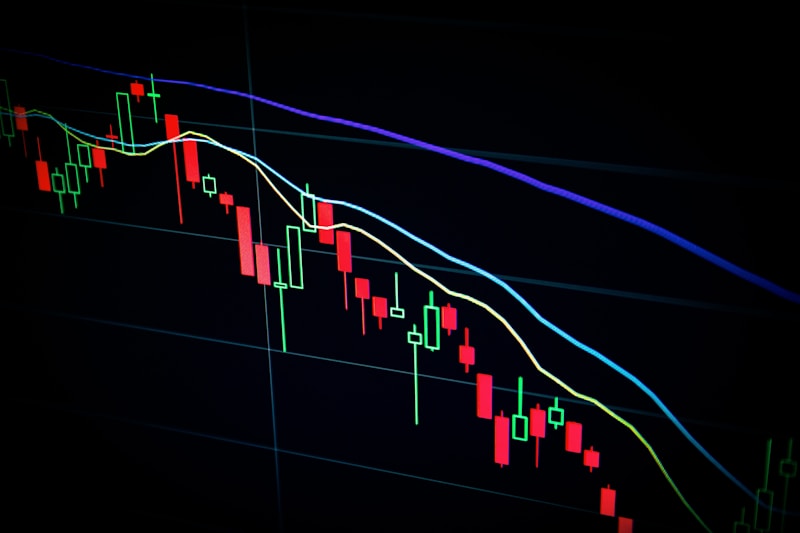
The price spike has sent shockwaves through Asian markets, with major indices declining as investors weigh the implications of sustained higher energy costs. Trading volumes in energy stocks have surged while broader market sentiment turned negative.
Hormuz Shipping Crisis
The Strait of Hormuz has seen a dramatic reduction in shipping traffic as operators exercise extreme caution amid the escalating tensions. Most commercial vessels are stalled or diverting to alternative routes, adding substantial time and cost to shipments.
Shipping insurance costs have surged dramatically as operators assess the heightened risk environment. Vessels attempting to transit the strait face significantly higher premiums, while those diverting around the Cape of Good Hope add 2-3 weeks to their voyage times.
Market Impact
Asian markets have responded with declines across major indices. The financial impact extends beyond energy companies to affect shipping, logistics, and broader industrial sectors that depend on timely oil deliveries. The uncertainty surrounding the Hormuz situation has created significant market volatility.
China has begun tapping strategic petroleum reserves while simultaneously reorienting toward increased Russian supply, signaling concerns about the reliability of Persian Gulf routes. This strategic shift could have long-term implications for global energy trade patterns.
What to watch
Negotiation Dynamics
Diplomatic efforts continue despite the military posturing. The outcome of ongoing ceasefire talks will significantly influence whether markets stabilize or face prolonged disruption. Any breakthrough could quickly reverse price gains, while failure could see oil rise further.
OPEC Response
OPEC's limited spare capacity makes it difficult to offset a sustained Hormuz disruption. The cartel's response will be critical in determining whether prices stabilize at elevated levels or continue climbing. The organization faces pressure to increase production while managing group cohesion.
Inflation Pressure
Central banks face renewed inflation pressure from elevated energy costs. The persistence of high oil prices could force continued monetary tightening, affecting broader economic growth prospects across Asia and beyond.