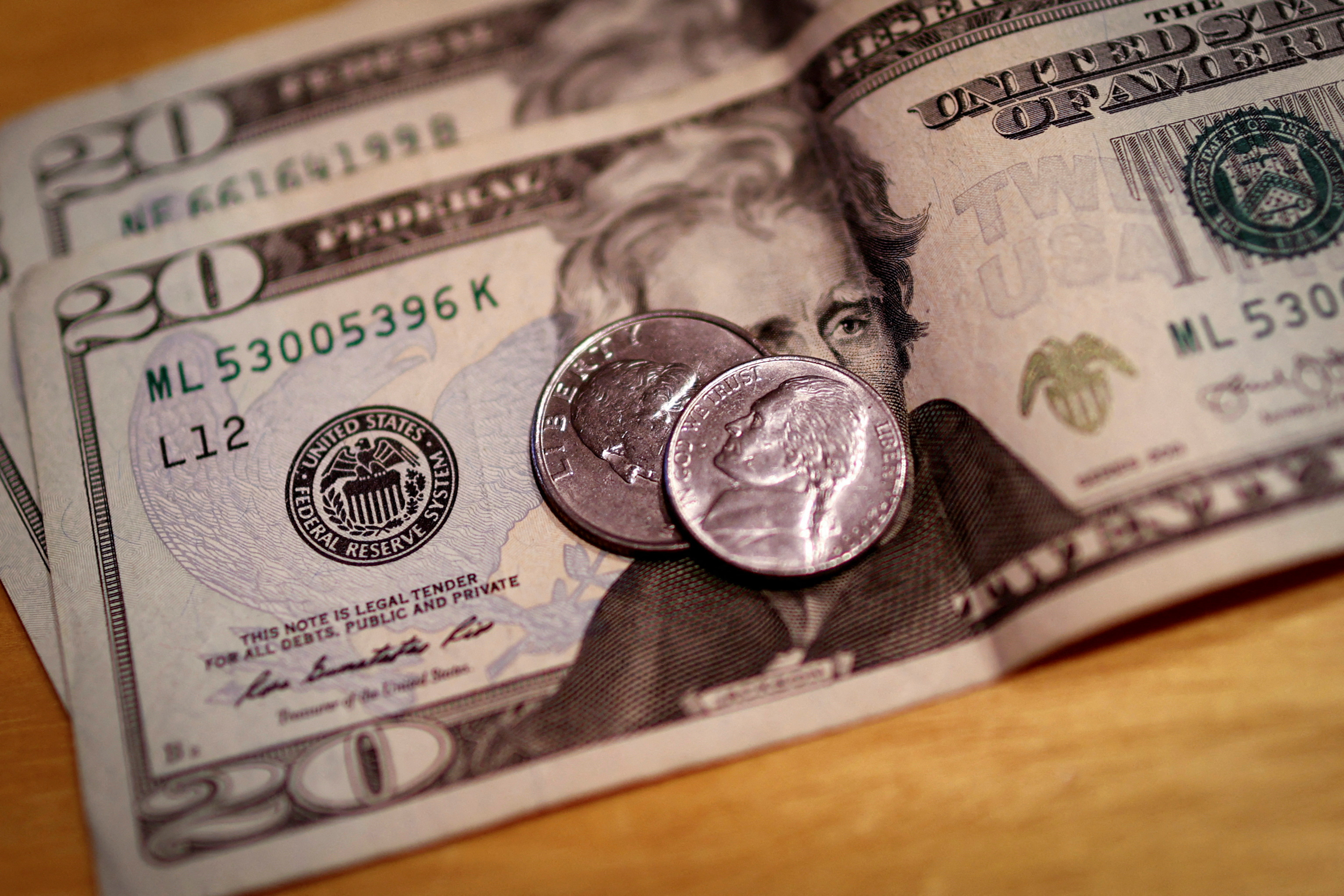
While equity markets have absorbed the sharpest headlines from Washington's tariff escalation, a quieter but arguably more consequential shift is unfolding in the plumbing of global commodity trade. Traders, refiners, and sovereign actors are accelerating moves to invoice, hedge, and settle oil and metals contracts in currencies other than the dollar—an exodus that threatens the greenback's foundational role in a market that processes trillions of dollars annually.
The pace of change has surprised even veteran observers. As recently as late 2024, the International Monetary Fund's COFER data placed the dollar's share of global foreign exchange reserves at a ten-year low of approximately 57%, a gradual erosion that analysts had long dismissed as theoretical. What has shifted is not the sentiment but the operational velocity. Several large commodity trading houses have quietly restructured financing arrangements for physical shipments, embedding euro and regional currency clauses that would have been unthinkable twelve months ago.
India has moved furthest along this path. New Delhi finalized rupee-based oil settlement mechanisms with two Middle Eastern producers in the first quarter of 2026, enabling payments for crude imports to bypass dollar intermediation entirely. The agreements, confirmed by officials briefed on the negotiations, represent a meaningful breach in the petrodollar architecture that has anchored global commodity markets to Washington since the 1970s. India, which imports roughly 85% of its crude oil, has long sought relief from dollar financing costs; geopolitical friction with Washington provided the political cover to accelerate talks that had stalled under previous administrations.
China's state-owned refiners are advancing on a parallel track. Select liquefied natural gas contracts are now being settled in renminbi through clearing infrastructure operational in Shanghai and Singapore, according to traders with knowledge of the arrangements. The volumes remain modest relative to overall Chinese LNG imports, which exceed 70 million metric tons annually, but the structural precedent is significant. Beijing has invested heavily in renminbi-denominated commodity benchmarks and clearing rails over the past five years; tariff pressure from Washington appears to have given Chinese buyers the commercial rationale needed to shift from pilot programs to live transactions.
The implications for dollar funding markets are difficult to overstate. The greenback's dominance in commodity pricing creates a structural demand for dollar assets that extends well beyond trade finance. Central banks and sovereign wealth funds hold dollar reserves partly because commodities—the world's most traded goods—are priced in dollars. A sustained shift toward non-dollar settlement erodes that demand organically, without any formal agreement to abandon the dollar as a reserve currency.
"The speed is notable," said a senior trader at a European commodity house, speaking without attribution. "We're not just hearing about alternative currency arrangements anymore. We're booking them. The tariff rhetoric has given internal committees the cover to push through structures that would have faced much more resistance in a stable political environment."
That sentiment is spreading beyond state-aligned actors. Japanese trading houses have reopened internal discussions about yen-denominated LNG procurement frameworks, according to two industry executives. South Korean petrochemical producers have begun requesting dual-currency pricing clauses in supply agreements with Middle Eastern counterparts. Even some US-allied governments that have publicly endorsed dollar stability are quietly exploring contingency frameworks for non-dollar commodity trade, the kind of planning that would have been politically toxic two years ago.
The dollar's role in global commodity markets rests on inertia as much as formal agreement. Settlement infrastructure, insurance markets, and credit chains remain predominantly dollar-denominated, creating friction for any actor attempting to shift. But friction is not immovable—it is a cost that can be absorbed when the political and economic incentives are sufficient. The combination of tariff pressure, reserve diversification trends, and Beijing's willingness to invest in alternative infrastructure has reduced the cost of that shift to a threshold that more actors are now willing to cross.
The transition, if it continues, would reshape global financial architecture in ways that extend well beyond commodity markets. Dollar-denominated debt markets, swap lines, and the Federal Reserve's role as a global lender of last resort all derive part of their strength from the dollar's irreplaceable position in trade pricing. A commodity market that no longer requires dollars for settlement is a different world—one in which the Fed's reach is structurally narrower and the cost of US financial sanctions is meaningfully higher.
Whether that transition accelerates to a tipping point or plateaus as actors encounter the genuine technical and legal friction of dollar-free commodity commerce remains an open question. The direction of travel, however, appears increasingly clear. The tariff weapon has done something that decades of academic arguments about dollar hegemony never could: it has made the operational cost of diversification worth paying.