A group of 10 European banks, including ING, UniCredit and BNP Paribas, is forming a company to launch a euro-pegged stablecoin in the second half of 2026, according to Reuters. That may look like Europe arriving late to crypto payments, but the more important shift is that incumbent lenders are starting to treat tokenized money as core balance-sheet infrastructure.
Why Banks Are Moving Now

The pressure is strategic rather than ideological. Dollar-backed stablecoins have moved beyond crypto trading into payments, settlement and corporate treasury use, raising the risk that European deposits, fee income and transaction data migrate onto US-centric rails. French finance minister Roland Lescure has publicly argued that Europe needs euro stablecoins and tokenized deposits if it wants to avoid ceding more monetary ground to the dollar.
From Crypto Product to Treasury Defense
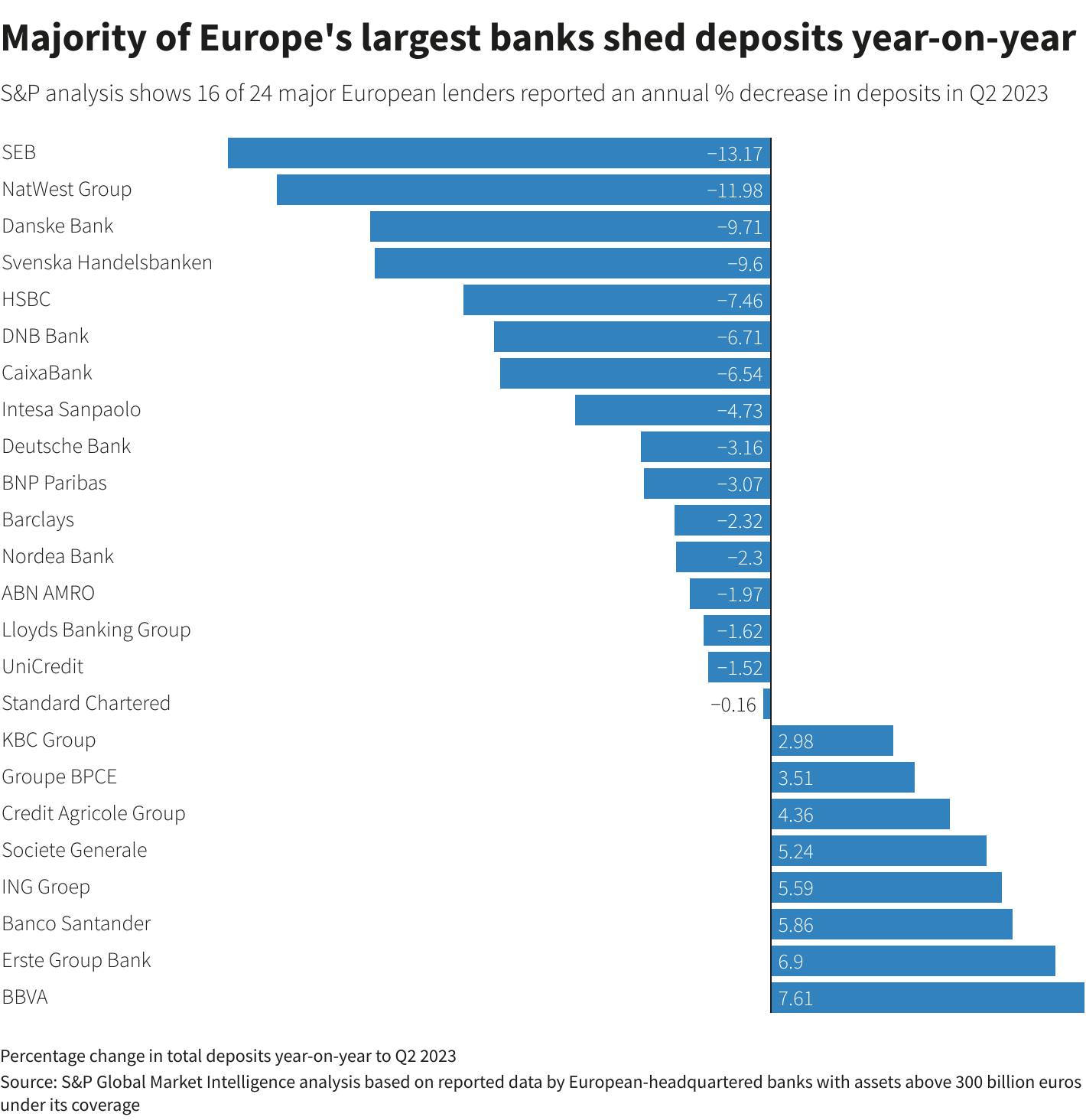
An ECB study has already outlined the concern in institutional terms: if stablecoins become widely used, banks could lose deposits, monetary-policy transmission could weaken, and credit to the real economy could shrink. That helps explain why banks, regulators and payments networks are converging around instruments that look like crypto assets on the surface but function more like defensive funding architecture. The emerging fight is less about speculative adoption than about who controls transaction accounts, cross-border settlement rails and customer cash in a programmable-money system.
If European banks issue the next generation of digital cash themselves, stablecoins will stop being a crypto sideshow and become a contest over sovereignty, funding and payments power.