
SpaceX has long enjoyed a scarcity premium in private markets, with investors willing to pay for exposure to launch dominance, Starlink growth and Elon Musk’s track record. Reuters reported on April 20, 2026, citing The Information, that the company posted nearly $5 billion in losses in 2025. That figure does not erase the strategic case for SpaceX, but it forces investors to anchor that case to a concrete level of capital burn.
Investors Finally Have a Loss Figure to Underwrite
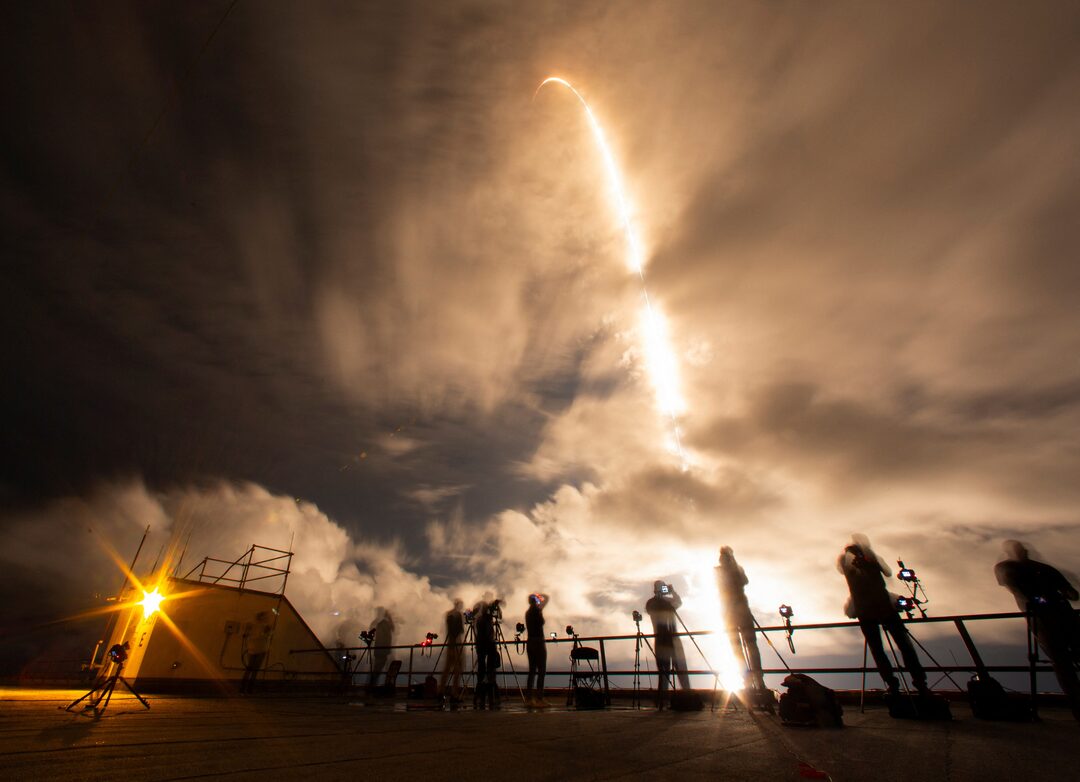
The importance of the report is less the headline shock than the fact that private holders now have a number to model. The Information provided a rare operating datapoint for a company that has mostly been valued on narrative, scale and limited access, while Reuters framed the loss as evidence of how expensive it remains to fund Starship, satellite deployment and network build-out at the same time. For secondary buyers, the gap between technical leadership and financial visibility is now narrower, because at least one side of the ledger is harder to romanticize.
Scarcity Premium Now Meets Funding Discipline
That changes the pricing conversation for everyone around the cap table. A nearly $5 billion annual loss means lenders, new investors and eventual IPO watchers have to ask not only how fast Starlink can grow, but how long SpaceX will need external capital before cash generation can carry its ambitions. In private markets, where marks often reward access as much as fundamentals, a disclosed loss of that size gives buyers a stronger case for wider secondary discounts and a tougher benchmark for any future financing.
If that loss becomes the market’s reference point, it will shape how deeply secondary shares trade below headline valuations, how expensive fresh capital becomes, and where any eventual IPO bookrunners dare set the first price.